Let's make a difference
November 11, 2024 | 7 reading min.
Making conscious decisions and supporting associations are key to building a sustainable future.
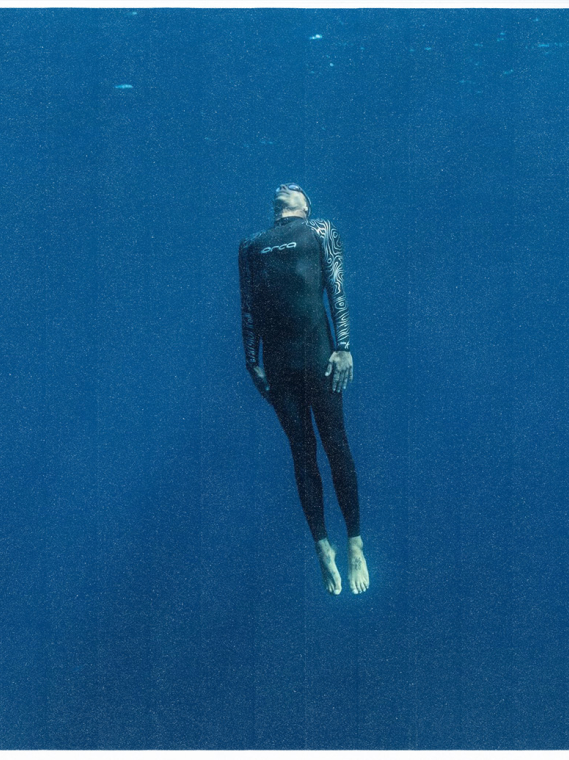
Rediscover your passion for the ocean through freediving: calm, connection, conscious eating and camaraderie under the sea.
by Finn van der Aar
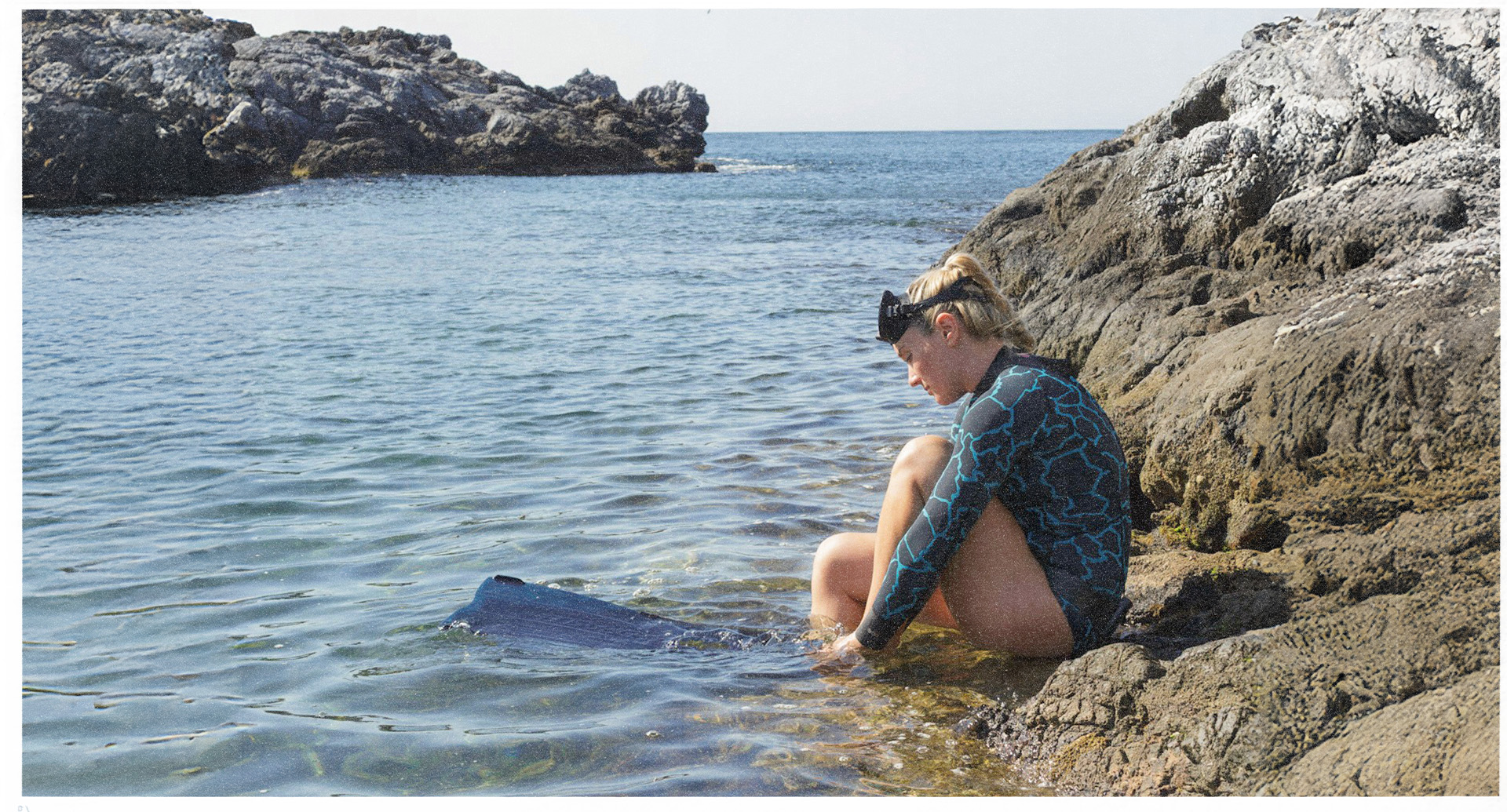
It took me almost two years as a marine biologist to realise I was living just above some of the most wonderful marine reserves in the Mediterranean. Life goes by, our time vanishes between work and other commitments, and our passions get easily brushed aside. My passion (and probably yours too) has always been the ocean.
This summer, my goal was to give freediving another go. As a passionate surfer and swimmer, it was the next logical step: breathe in and plunge into the depths.
My first experience with freediving happened almost by accident. One of my best friends suffered a serious accident which meant she couldn’t continue to surf or dive. I wanted to find something we could do together (and that meant she could get back in the sea without all the heavy diving equipment), so me and three other surfer girls signed up to our first freediving course in our search for a safe and fun way to enjoy being in the ocean together.
Ten years have gone by and I’m now motivated for different reasons. As a working mother in an ever noisier and fast-paced world, I was looking for a way to calm my mind, slow down and explore the ocean in a deeper and simpler way, avoiding high costs and the bulky gear that conventional diving requires.
I wanted to prepare as best I could, mentally and physically, before completing my level 2 AIDA course with Mario from Apnea Costa Tropical, here in the wonderful waters of La Herradura on the coast of Granada. I knew from past experience in swimming and surfing just how much your physical and mental state affects your performance and enjoyment of your time in the sea, and I wanted to see what I could do to prepare for the course. I hope that you also find these tips useful if you’re interested in trying out freediving in the near future.
Don’t hold your breath
This was the most interesting advice I got when I started preparing - the total opposite of what I’d imagined. In the weeks leading up to the course, I did not, at any moment, try to hold my breath. I didn’t watch any tutorial videos (or anything else) about how to hold your breath for longer.
It was as simple as this: don’t pick up bad habits when you’re just about to be trained by a professional. A large part of the course involves learning safe techniques to hold your breath for longer. Learn good (and safe) habits from your instructor.
The mental game
“Relaxation is probably the most important word in freediving.”
Instead of trying to hold my breath, I started to focus on preparing myself mentally by listening to meditations for freediving on YouTube (where you visualise yourself completing a safe and successful dive) and deepening my ability to relax. As you’ll learn in the course, this is the basis for a good dive.
I also think that accepting fear - in any shape or form - plays a crucial part in freediving preparation. It was fascinating to observe how this manifested for each person on the course. One of the participants was anxious about timed static apnea (you need to be able to hold your breath for over 2 minutes to continue on the course). In my case, I was worried about completing the underwater swim with fins and a neck weight in the pool. I get anxious in busy crowds and a pool full of people was making this anxiety even worse. Mario was great - he got me to sit on the edge of the pool and talked to me until the anxiety calmed down so that I could try again and finish with greater ease. I really liked it when he said: “when you can do it calmly, you’ll realise you’re capable of much more.”
Diet and nutrition
During my last few months of preparation, I found it difficult to equalise the pressure in my left ear, so I decided to reduce the amount of inflammatory foods I consumed in the two weeks leading up the course. This involved limiting myself to one coffee a day (as the mother of a young child, that’s a lot harder to do than it seems) and eliminating most dairy products from my diet.
I also focused on hydration - not just drinking more water, but also herbal infusions and soups, and I added more water-rich foods to my daily meals, such as cucumber and watermelon.
On the days of the course, my meals were light and easy to digest with a good balance of carbohydrates, proteins and fats. Breakfast was oats (with vegetable milk, chia seeds and cinnamon) and raspberries, almond butter and a touch of maple syrup. Lunch was basically a Greek salad without the feta cheese, and I added potatoes to include carbohydrates. The olives and dressing gave the salad a touch of salt that I needed, especially in the summer heat of Costa del Sol. Snacks included apple slices (again, with almond butter) and lots of dates to give me energy, combined with a big thermal flask of cold herbal infusion. At night I recovered with simple dinners mainly consisting of fish and vegetables.
Good equipment makes a difference
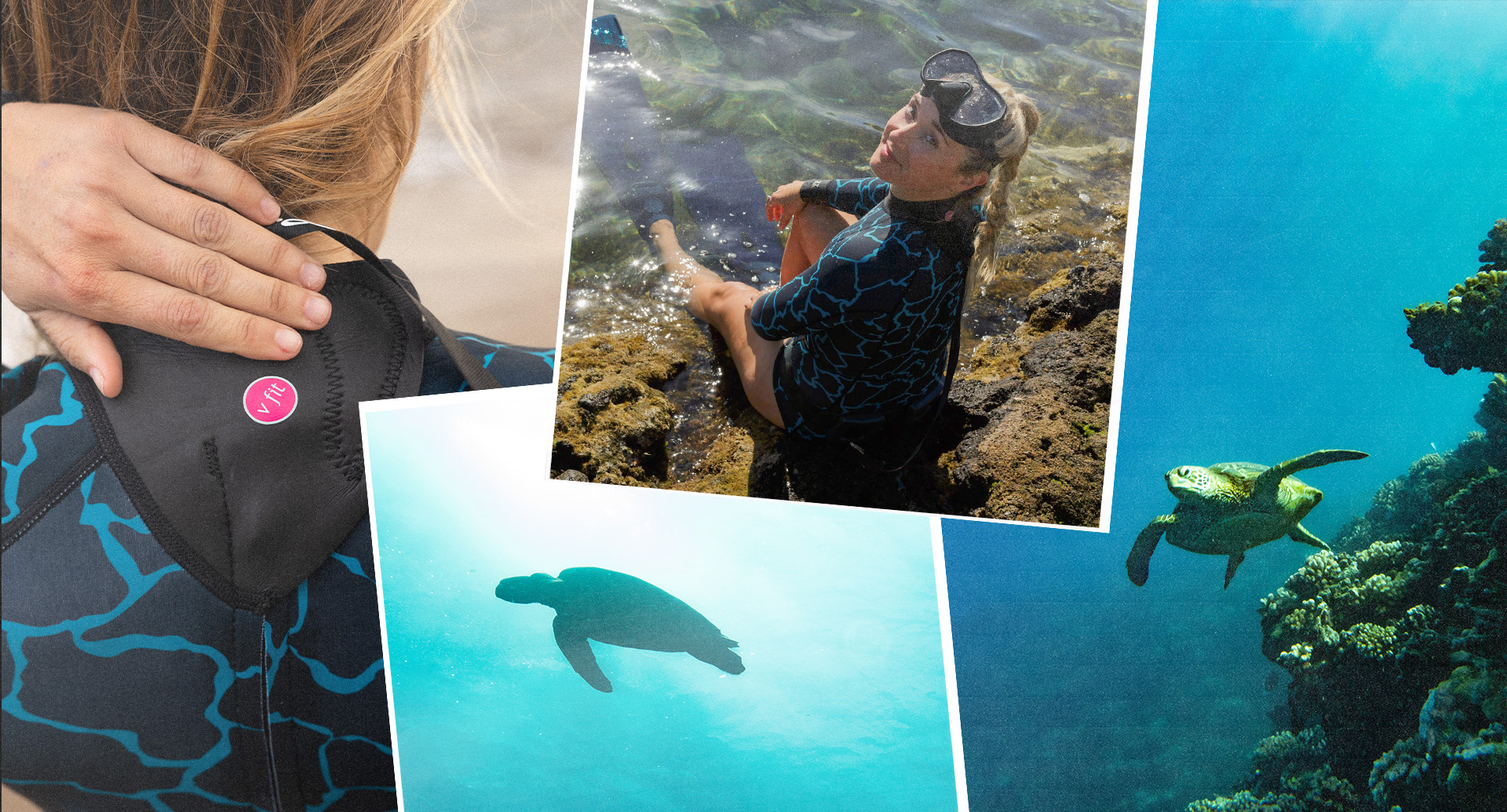
My Orca gear had my back throughout the course. For our training sessions in the outdoor pool, I used my Mantra freediving wetsuit with the Heatseeker vest underneath and a neoprene headband. Although small in size, the headband was a big gamechanger: the shock of the cold water hurts my ears and, as I can’t use earplugs while practicing freediving (as I usually do when surfing or swimming), the headband offered me some significant pain relief.
The buddy system
I initially began the course thinking of the benefits of calming the mind and experiencing the ocean from the perspective of the marine mammals I study. One of the most important rules of freediving is to never go alone - at the start I thought this was just about safety.
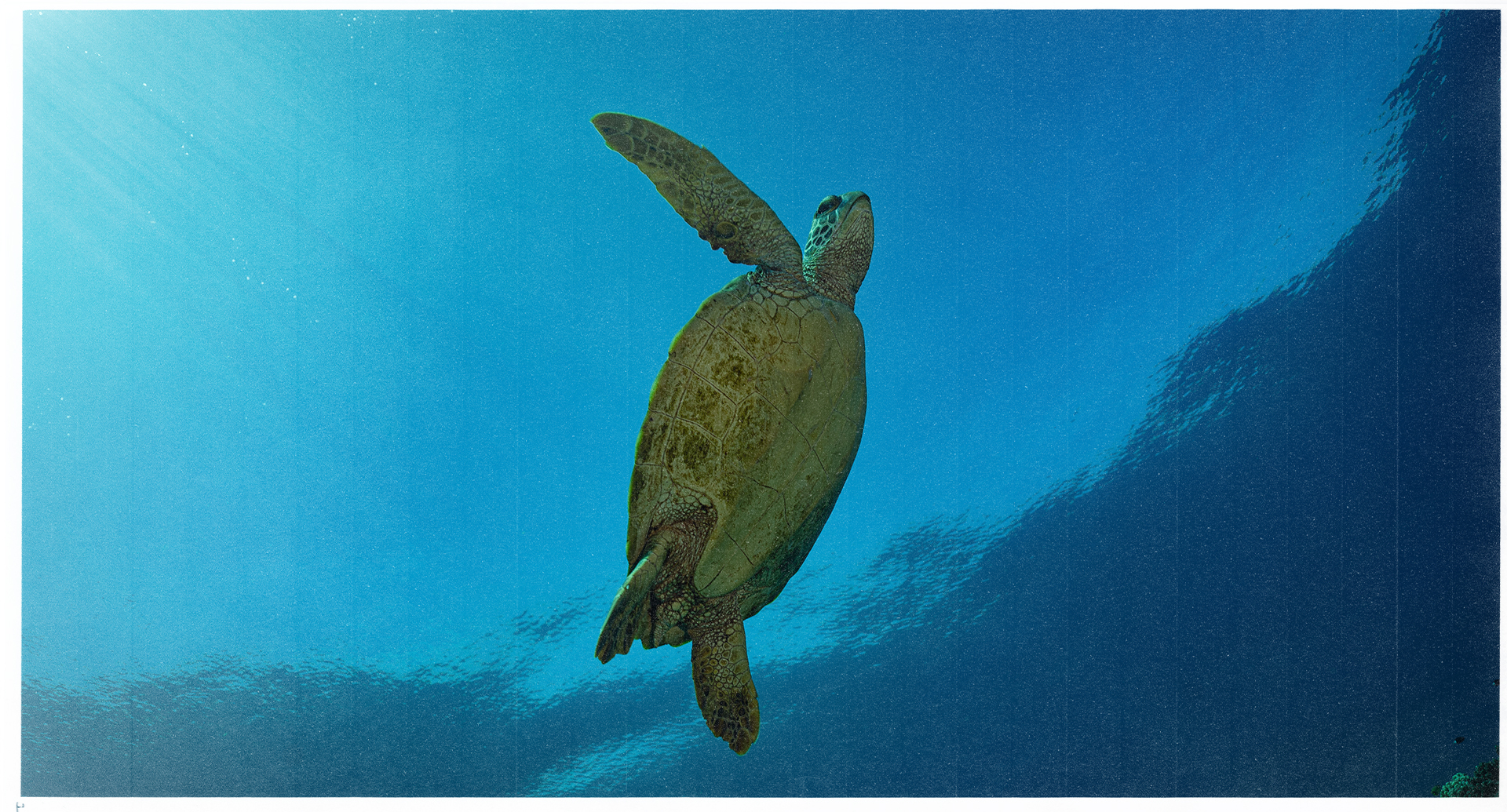
I hadn’t expected there to be such a wonderful sensation of camaraderie the whole weekend, spending time in the sea with others equally as passionate as me. From Mario’s interesting explanations about freediving and the animals we find in the marine reserve, to sharing sea stories with the other two guys in the group - one was an underwater fisherman and the other, an experienced diver - the experience was truly inspiring.
Finding friends who you can share the ocean with and grow together with in freediving may actually be the best part.

November 11, 2024 | 7 reading min.
Making conscious decisions and supporting associations are key to building a sustainable future.
August 10, 2023 | 10 reading min.
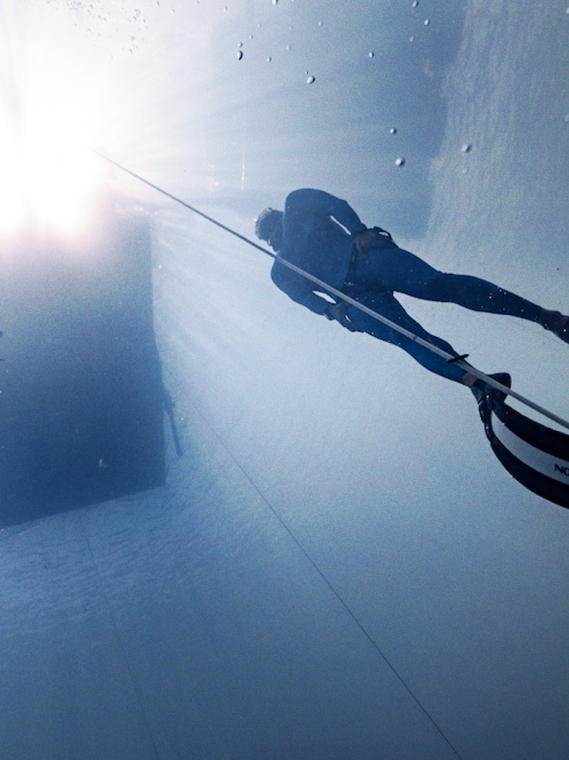
In August 2022, this Polish freediver and Orca ambassador broke the world record in free immersion at a depth of 127m
August 7, 2023 | 10 reading min.
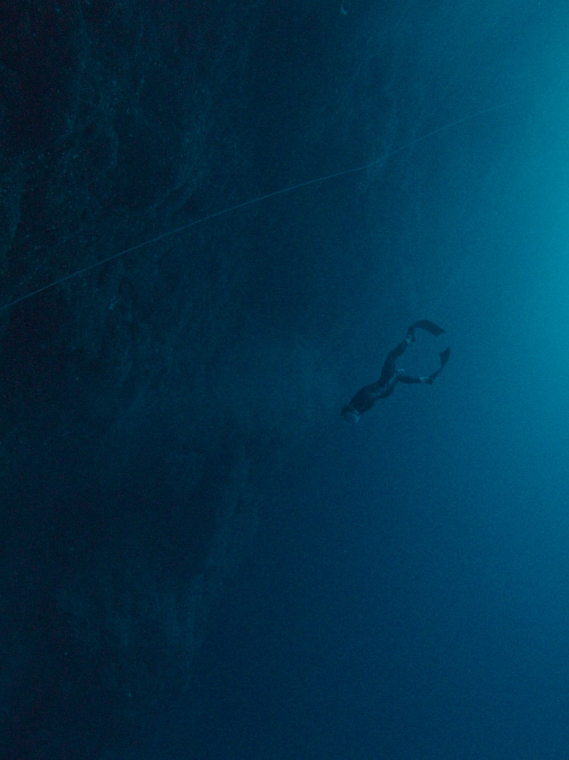
William Trubridge, a professional freediver, describes Dean's Blue Hole, the second deepest blue hole on the planet.