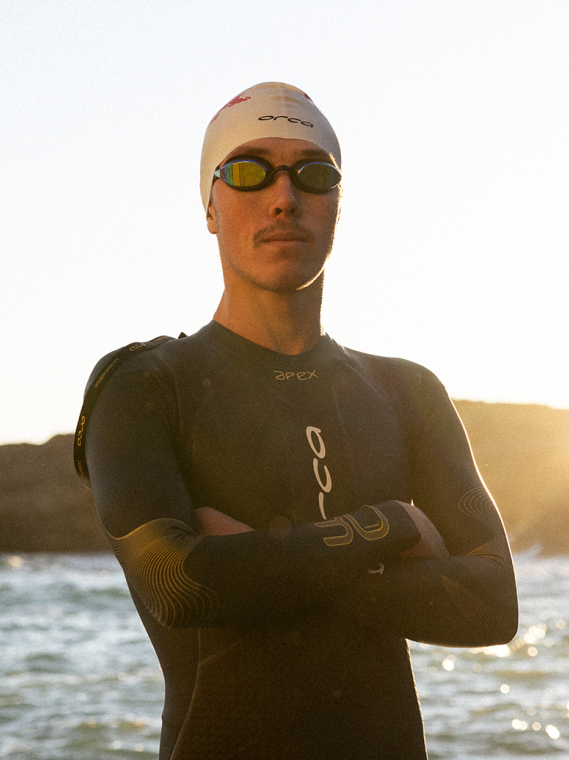
Orca Apex 30, a fine tribute
May 26, 2025 | 10 reading min.
Alongside Hadyen Wilde, we've designed a wetsuit in commemoration of our 30 year history which challenges the future of performance.
Orca and Yamamoto: over 30 years of partnership combining innovation, sustainability and craftsmanship in high performance wetsuits.
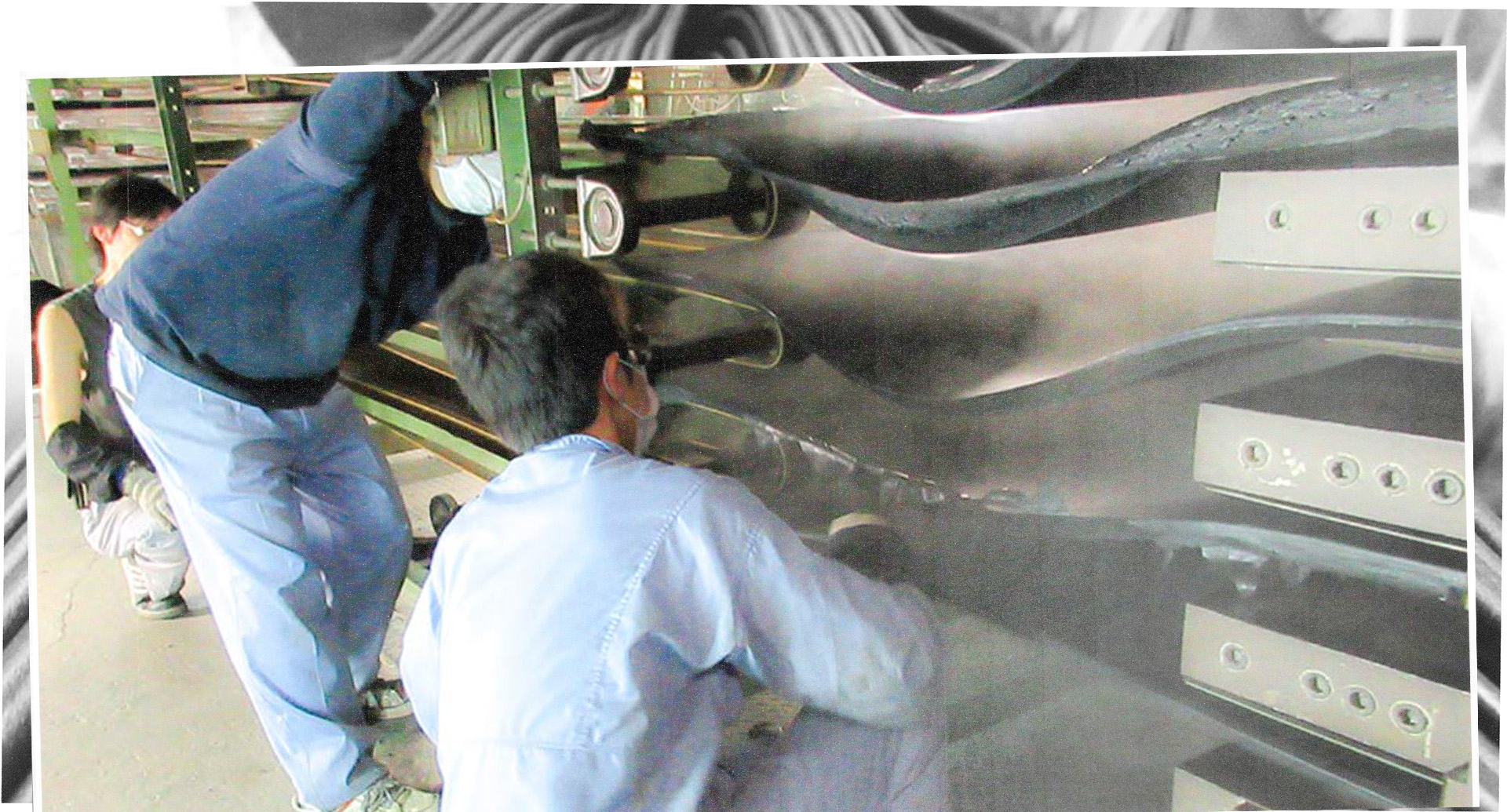
It all started with a conversation - a promise between two dreamers. Scott Unsworth, a young New Zealander with a passion for triathlon, and Tommy Yamamoto, heir to a long-standing Japanese tradition of technical excellence and craftsmanship. They wanted to create the best wetsuit in the world. It wasn’t just an ambition - it was a project that came from the soul.
Since then, three decades have gone by and, although the market has changed, the essence of their promise has remained the same. Orca and Yamamoto have worked hand in hand, combining innovation, sustainability and a steadfast commitment to detail. The history of their collaboration is an ode to monozukuri, the Japanese philosophy that raises the process of manufacture to the level of an art form.
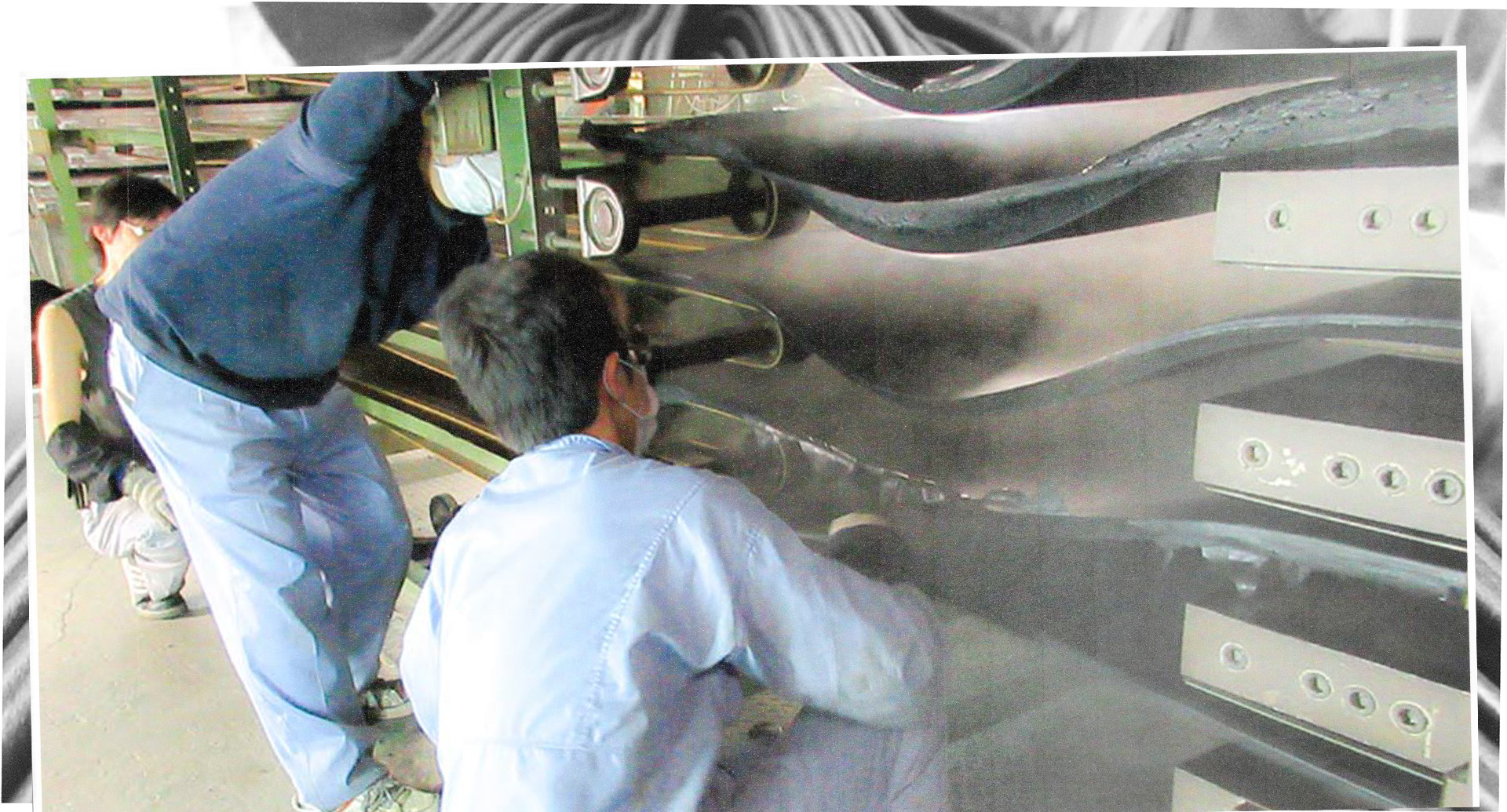
Scott was only 20 when he met Tommy. It was then that he realised he didn’t want to create just any product, but revolutionise the triathlon world with a suit that would offer freedom, performance and durability. Tommy, with decades of family experience behind him, assured him that his business, Yamamoto Corporation, would be the perfect partner for him to achieve his goal. Since then, they’ve met several times a year, in both Japan and New Zealand, to share new ideas, try out new materials and improve every inch of the wetsuit. They don’t just discuss design and performance, but also their core values: sustainability, social commitment and responsible consumption. They wanted to create something that went a step beyond the sport.
Yamamoto’s story began in 1938, far from the world of water sports. In its beginnings, the company manufactured everything from pencils with erasers to buttons made from powdered milk. But in 1964, as Japan prepared for the Olympic games that would change its destiny, Yamamoto reinvented itself and began to develop materials that would protect divers and fishermen from extreme cold. This is how their neoprene came into being; made from limestone, a raw material in abundance in Japan, used instead of oil.
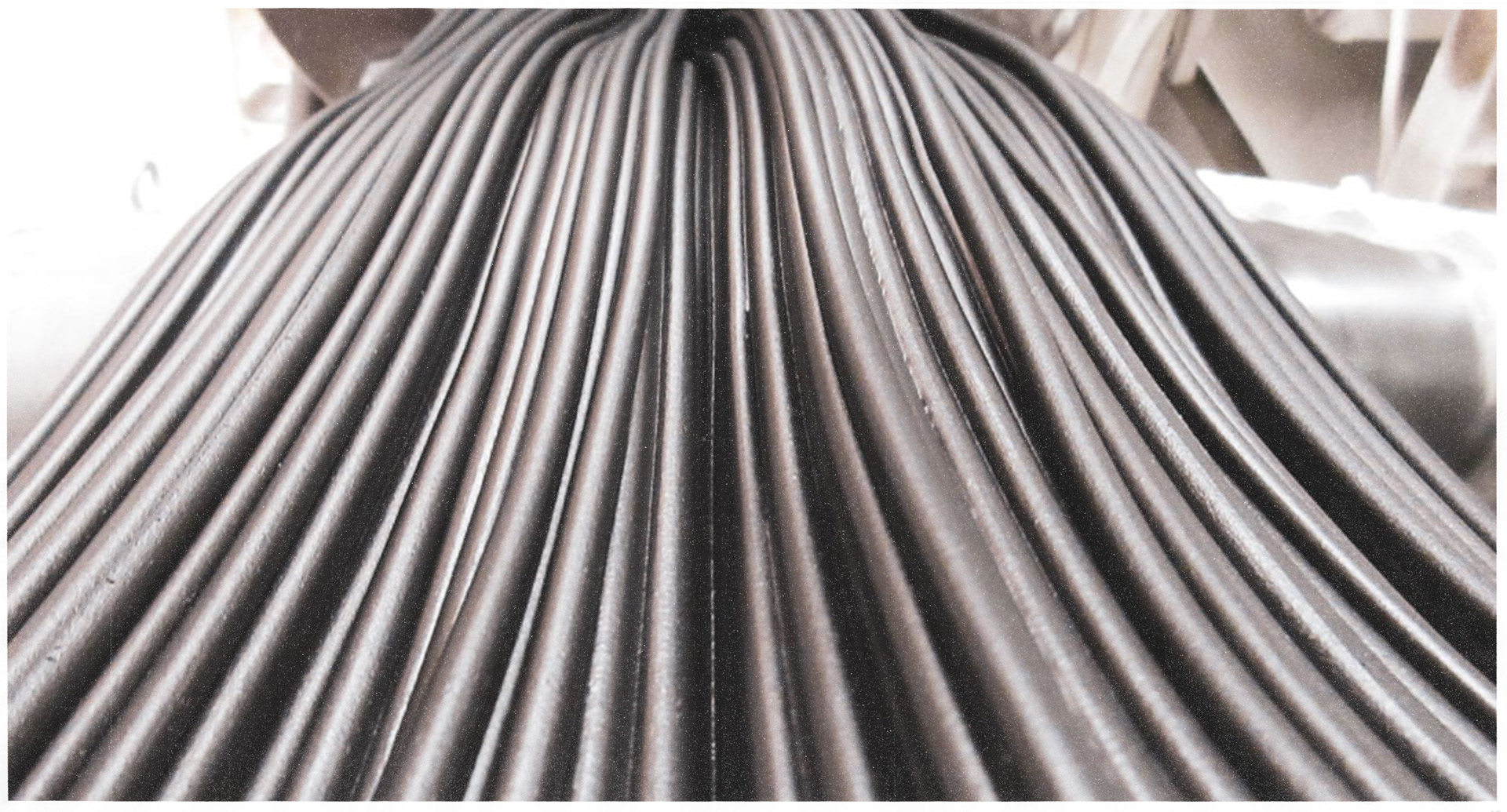
This detail is not to be overlooked. Compared to the majority of wetsuits on the market, which are made from materials derived from oil, Yamamoto is much more environmentally friendly. In addition, it’s produced entirely in Japan using 100% renewable energy and complies with the highest standards of chemical and environmental safety. The result is an extraordinary material that’s lightweight, elastic, warm and durable. Its microcellular structure, with 93% independent closed cells, allow for superior thermal retention and minimal water absorption. The most surprising part, however, is how it’s made.
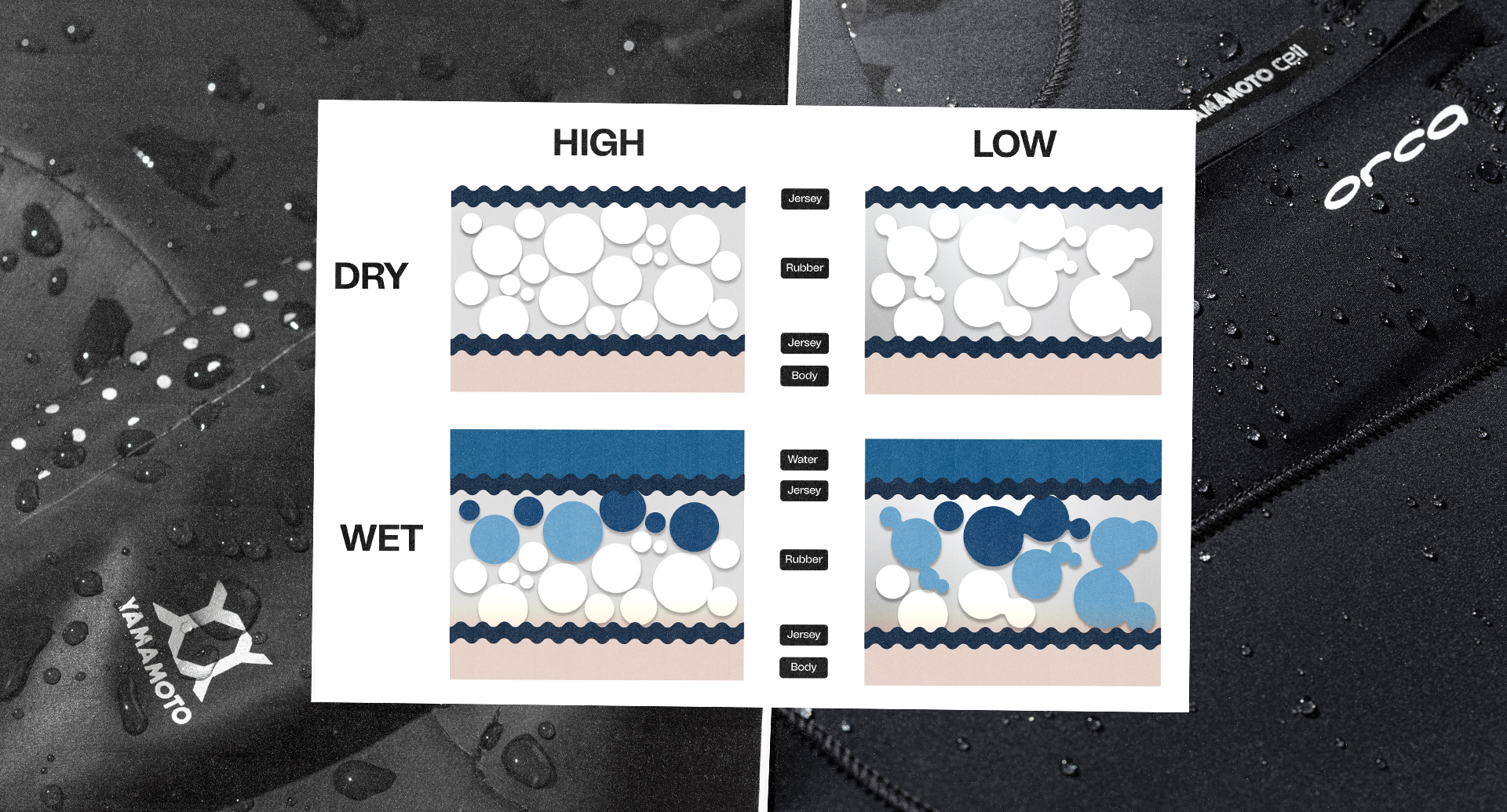
In the words of the Japanese company itself, making rubber is like baking bread. You mix CR (chloroprene) with limestone and you leave it to stand for the night. You then add coal, mix it in, leave it to stand and add food grade approved rapeseed oil. After that, the mixture heats up and is pressed twice before being cut to the desired thickness. There’s no rush, no shortcuts. The entire process requires precision and respect, at the same time it demands traditional Japanese craftsmanship. In a world of mass production, Yamamoto continues to believe in the value of products made by hand and the heart.
Thanks to this quality-oriented focus, Orca has been able to create suits that fit like a second skin and optimise every stroke. The technologies developed alongside Yamamoto, such as the 3D cut and SCS surface (Super Composite Skin), which prevents water absorption, help triathletes save energy, reduce friction and swim faster. The elasticity of the Yamamoto models 38, 39, 40 and 44, for example, have been designed to offer as little resistance as possible, helping athletes perform for longer without getting tired. And the best part is, if they’re well looked after, these suits last much longer than any other on the market.
Orca has explored the alternatives: natural rubber, synthetic rubber, as well as new options on the market. However, no other suit offers the same balance that the Yamamoto wetsuit offers, with its excellent performance, reduced environmental impact and durability, promoting responsible consumption. While it’s true that no wetsuit can avoid having some sort of impact on the planet, if there’s a suit that makes a difference, it’s this one.
Today, more than 30 years after this pivotal conversation, Orca and Yamamoto continue to push the boundaries of the impossible. With each new model and innovation, they hope to come a little closer to perfection, because in each Orca suit made with Yamamoto neoprene, there’s much more than just technology; there’s history, values and a way of seeing the world. And this, perhaps, is what it really means to be the world’s best.
May 26, 2025 | 10 reading min.
Alongside Hadyen Wilde, we've designed a wetsuit in commemoration of our 30 year history which challenges the future of performance.
March 3, 2025 | 7 reading min.
Our pledge to excellence is reflected by our commitment to consistency; our triathlon wetsuit range evolves alongside the best technologies.