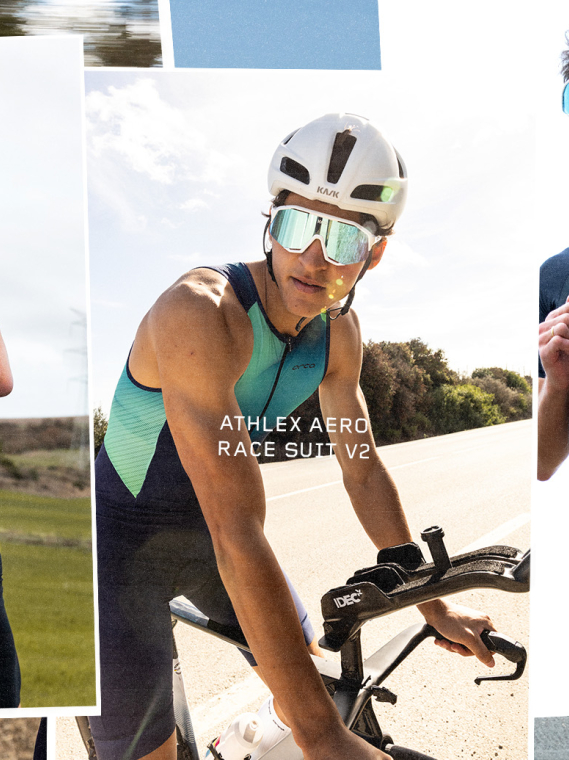
When to choose the Apex Dream Kona, the Athlex Aero Race Suit or the Athlex Lite?
June 15, 2026 | 10 reading min.
Three trisuits, three different ways to compete: maximum speed, aerodynamic balance or total comfort. Which one suits you?
Hayden Wilde is proclaimed 70.3 World Champion and Julie Derron snags second place during a demanding weekend of competition in Nice.
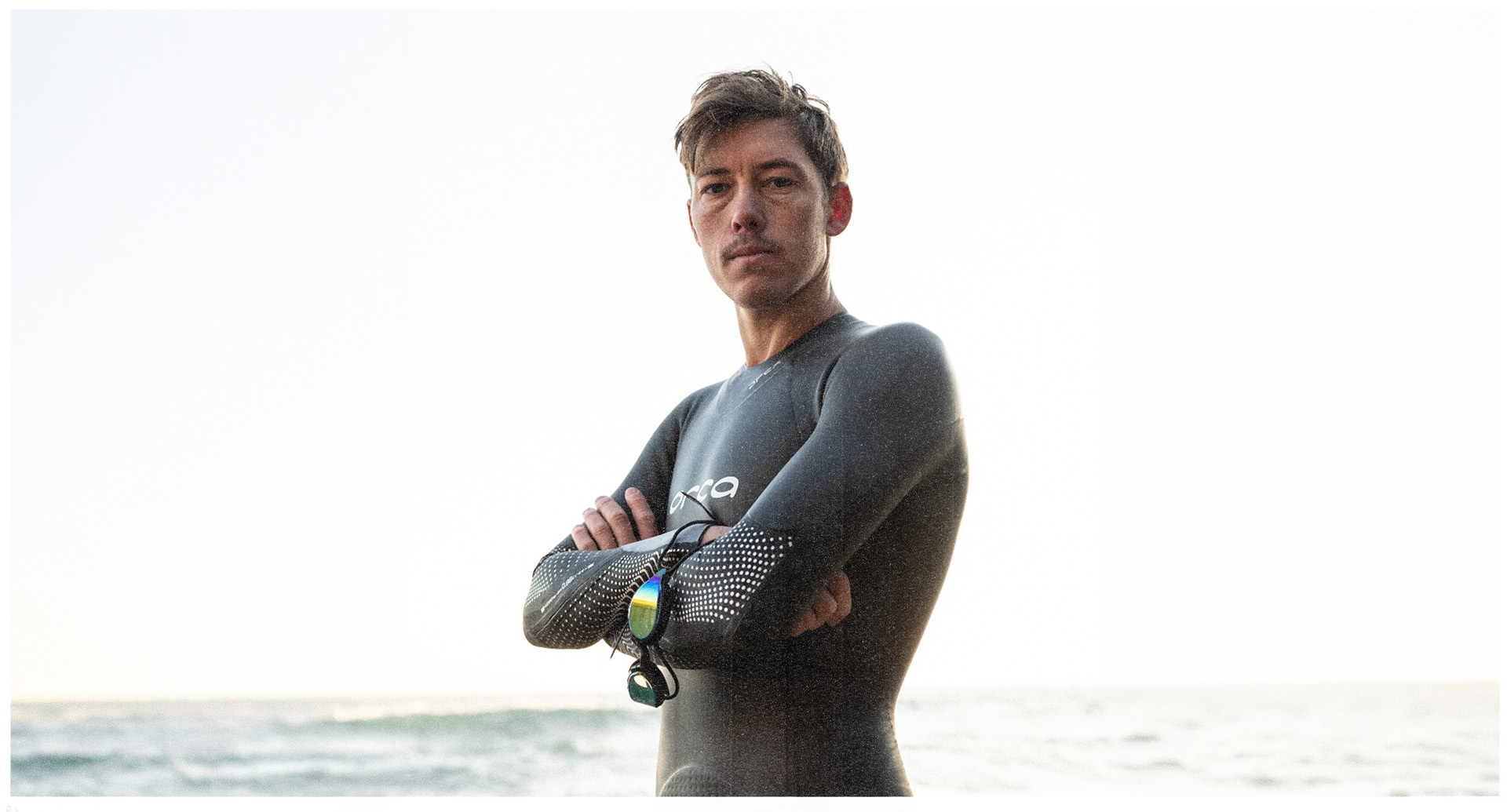
There are some places where triathlon just feels different; places where the landscape becomes part of the race and the finish line blends into history. Nice is one of those places.
Located between the Mediterranean and the Maritime Alps, the French Riviera has formed a key part of the triathlon ecosystem for decades. Long before the first championship came into being, Nice was established as one of Europe’s big destinations for long distance triathlon. The city’s relationship with the sport has grown over the years, to the point that it has been hosting the long distance World Championships alternately with Kona in Hawaii.
On the 12th and 13th September, the world’s best 70.3 athletes came together in Nice to compete at the World Championship made up of one of the most unique courses of the season: a 1.9 kilometre swim in the Mediterranean, 90 kilometres of cycling through the Maritime Alps and a final 21.1 kilometre run along the Promenade des Anglais.
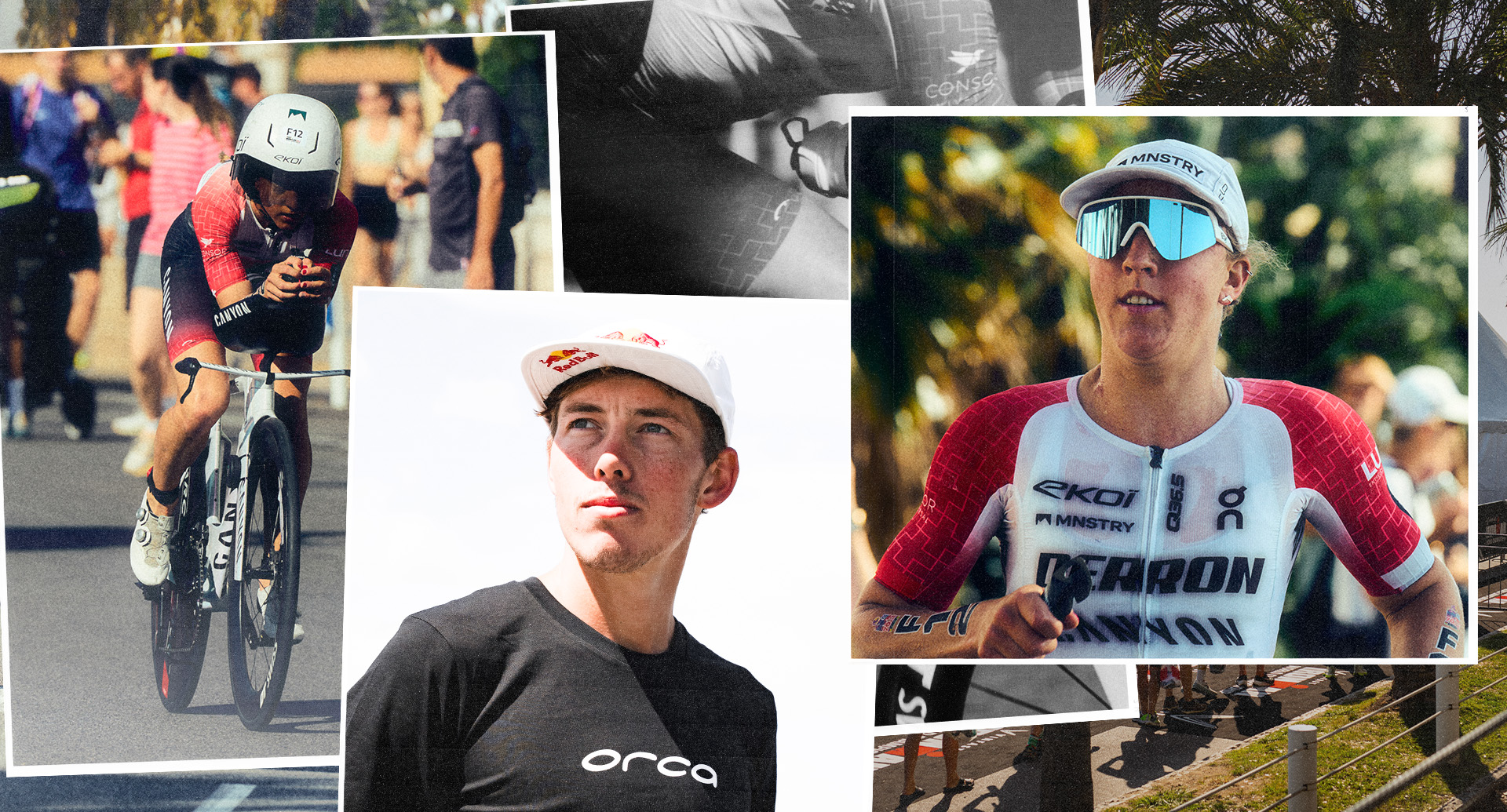
But the numbers alone cannot explain what makes this race so demanding.
The swim starts at Ponchettes Beach, in the Bay of Angels, leading the athletes straight into the deep blue waters of the Mediterranean. The water temperature prohibits the use of a wetsuit, meaning our athletes face the 1.9km swim with the Apex Swimskin, our competition swimskin designed to maximise hydrodynamics and reduce water resistance.
From there, the course leaves the coast behind and heads inland, where the race gets completely turned around.
The cycling route is where Nice shows its true colours. Following the first kilometres in the sea, the athletes turn inland toward the mountains and start a long and demanding route through the Maritime Alps. The main challenge is posed by the Col de Vence, a climb of almost 10 kilometres with an average gradient of 6.6% and even steeper sections. The highest point of the climb reaches more than 1000 metres above sea level before the trail descends back down towards the Mediterranean.
It’s a route that demands far more than power. Pace control, endurance in the climb, technique in the descents and the ability to save energy for the run are all skills that become essential to the race. Once the athletes return to Nice, there’s no more hiding: 21.1 kilometres are all that separate them from the world title.
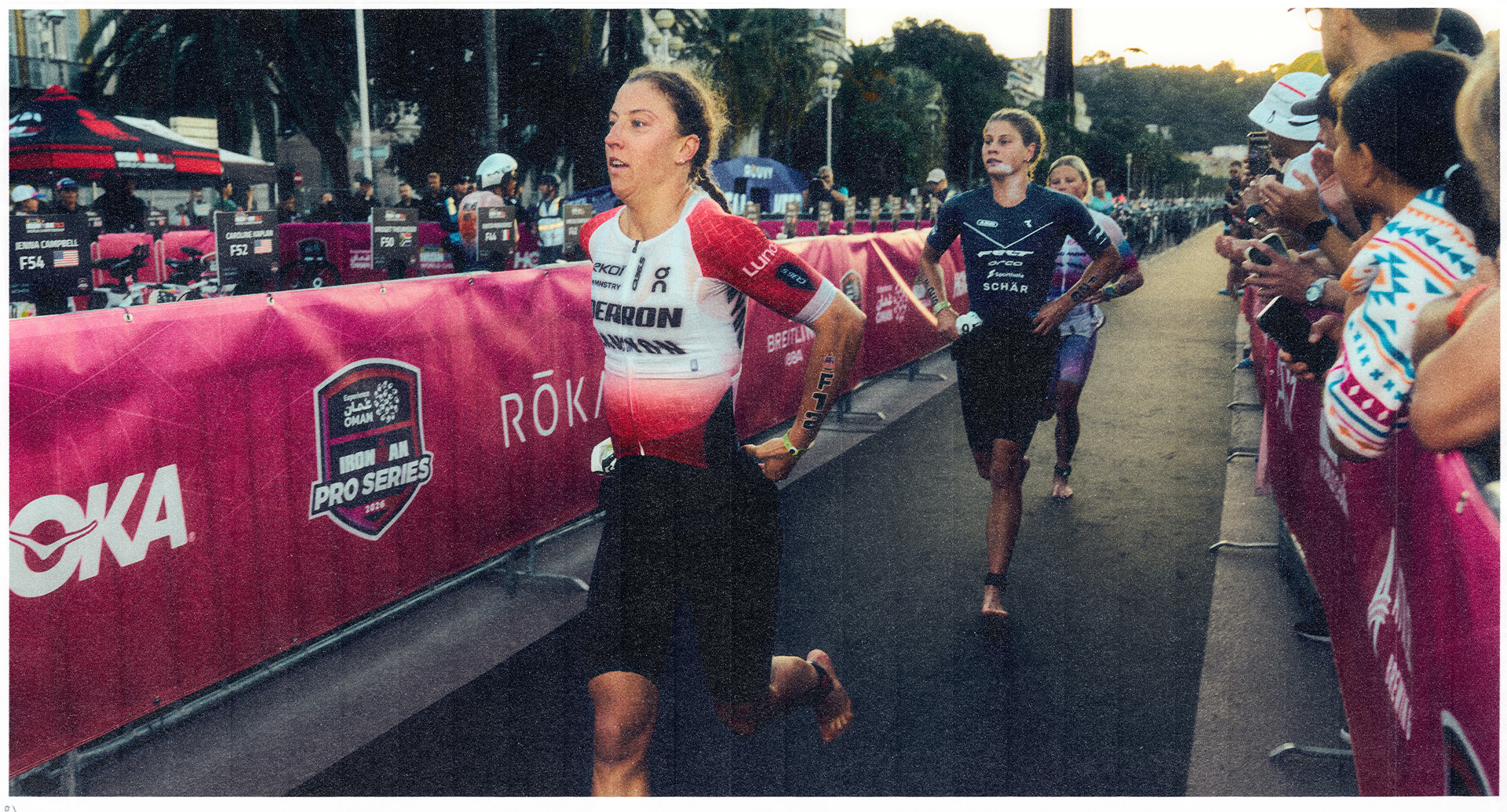
At the Promenade des Anglais, a high-paced run by the sea awaits, surrounded by the public - the backdrop of two very different days of competition.
On Saturday, Taylor Knibb stole the spotlight with one of the most dominating performances in the history of the 70.3 World Championship.
The American exited the water with the lead pack, but it was during the cycling that the race really began to heat up. Knibb tackled the climbs with extraordinary power, pulling away from the group and distancing herself relentlessly throughout the segment. By the second transition, she had achieved over a four minute advantage over the athletes closest behind her.
From this point on, she simply decided to keep it that way.
Knibb completed the race in 4:19:24, claiming her fourth 70.3 World Championship Title and achieving a new Nice course-record. Her time of 2:32:07 on her bike was the pillar of her victory, followed by a half marathon in 1:17:56.
Behind her followed Orca athlete Julie Derron, completing the fastest run of the day. Her half marathon in 1:13:04 allowed her to shoot into second place and finish with a time of 4:23:30, while her compatriot Alanis Siffert completed the podium with a time of 4:25:10.
On Sunday it was the men’s turn and our athlete Hayden Wilde arrived in Nice ready to make his own history.
The Newzealander exited the water in a good position and faced a tough cycling segment, which tested his ability to handle the climbs, descents and his energy levels before reaching the run. When it comes to a course as demanding as Nice, every decision counts.
Wilde set off on his run knowing he would have to defend himself against some of the world’s best runners. As the kilometres passed at the Promenade des Anglais, the gap got smaller and pressure mounted. Kristian Blummenfelt led a spectacular recovery from behind, progressively closing the gap with the leader, turning the final kilometres into a real battle.
But Wilde stayed strong.
After 3 hours, 50 minutes and 51 seconds of competition, he crossed the finish line just 18 seconds ahead of Blummenfelt to become the 70.3 World Champion. Jelle Greens completed the podium with a time of 3:52:40.
Nice once again gave us what makes this sport so special: three disciplines, a ruthless course and an infinite number of ways to race it.
From the Mediterranean to the mountains and back down to the Promenade des Anglais, the 2026 70.3 World Championship was a reminder that the best triathlon courses do much more than put athletes’ physical condition to the test. They test their ability to adapt, to make decisions, to suffer when need be and to carry on when the race fails to pan out as expected.
Perhaps that is exactly what makes Nice so special.
June 15, 2026 | 10 reading min.
Three trisuits, three different ways to compete: maximum speed, aerodynamic balance or total comfort. Which one suits you?
October 27, 2025 | 7 reading min.
Kona put everyone to the test once again, with its heat, wind and strength. It reminds us that on the island, nothing is sure until the very end.
September 1, 2025 | 7 reading min.
Athlex Lite, the trisuit for beginners who want to get it right.