
A Paper Placemat, a Friendly Wager and a Sport
April 12, 2023 | 10 reading min.
From friends around a dinner table, a sport is born that brings together everything you need for an epic experience in nature.
Discover swimrun: find out how to prepare for your first race and the key equipment you'll need to enjoy your next challenge between land and water.
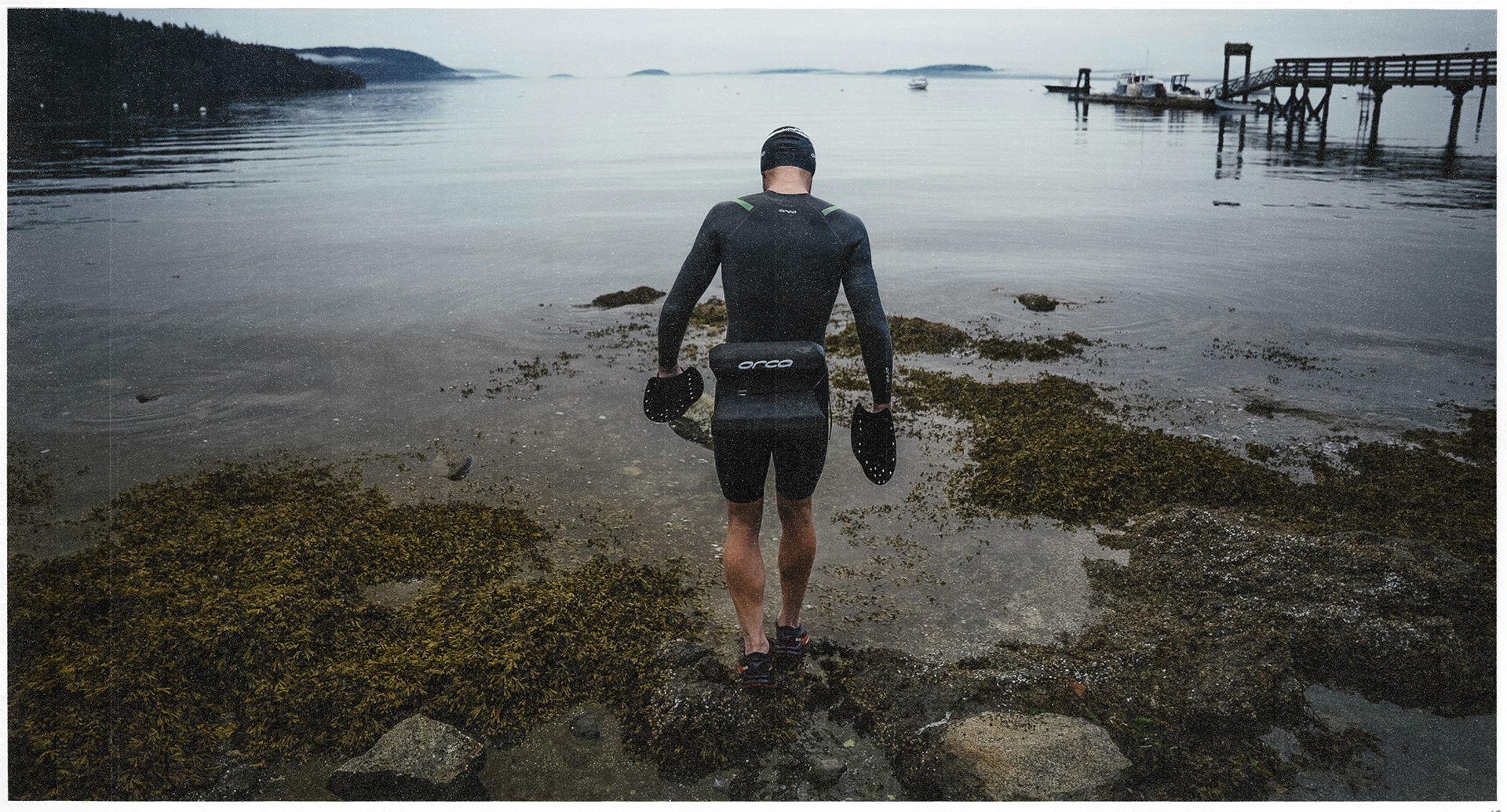
Swimrun is one of those sports that seems to be the direct product of an adventurous spirit. Unlike other, more structured sports, swimrun doesn’t involve transitions or equipment changes - you simply move forward through nature, switching between running and swimming, and taking everything with you from start to finish. What starts out as running over trails, rocks and beaches, continues as swimming between islands or across a bay, just for you to emerge from the water once again and continue running some minutes later.
The story behind the sport comes down to a bet between friends in a bar in Stockholm - a bet to swim and run across 75km of land and sea through an archipelago, or “ÖTILLÖ” in Swedish, meaning “island to island”. This spontaneous adventure saw the birth of what is considered modern swimrun today. Over time, the sport has grown more popular internationally, but its original essence remains intact; an exploration of nature, an acceptance of the challenge posed by the terrain and an experience shared alongside a companion.
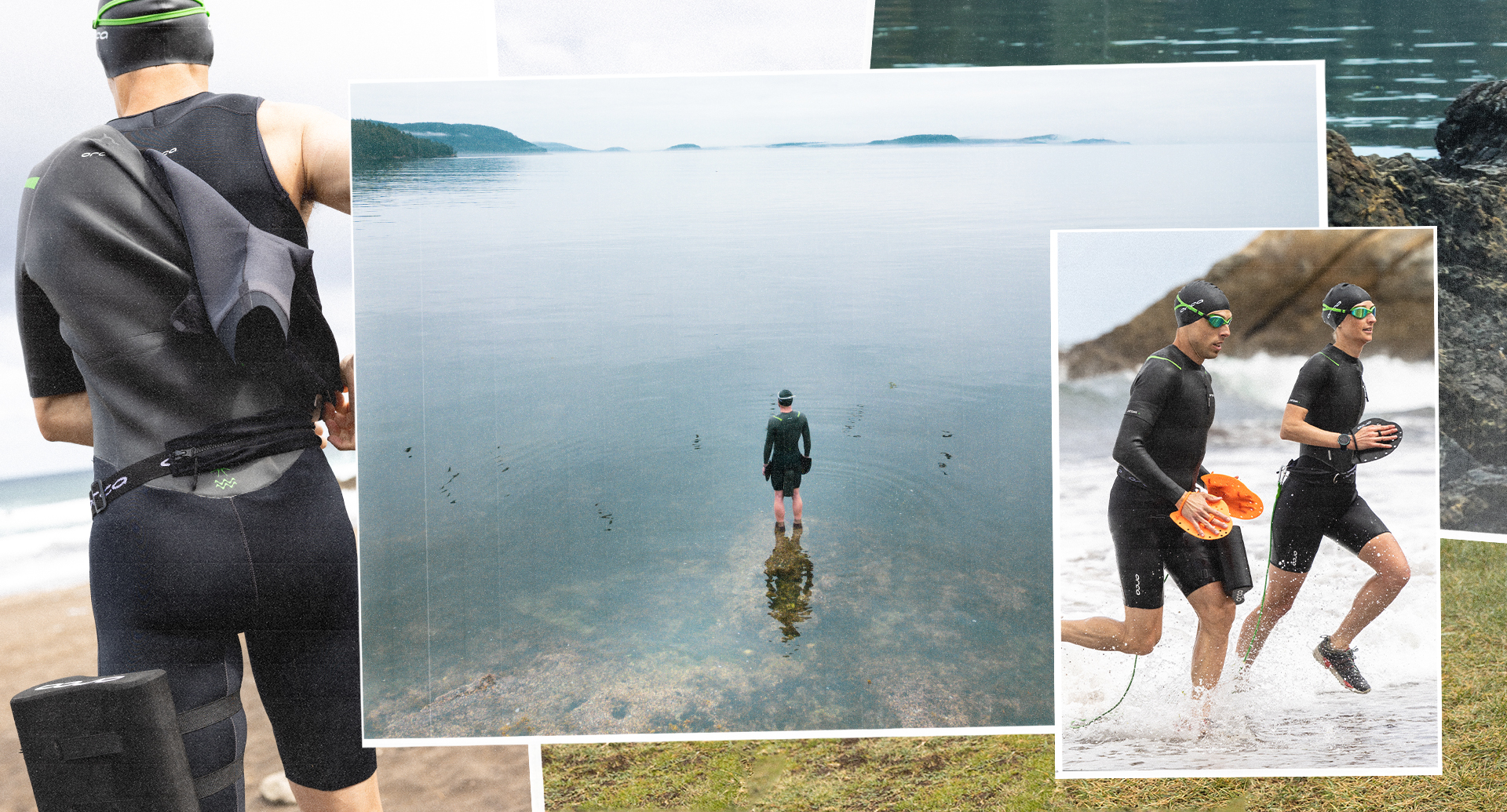
If you’re about to take part in your first swimrun, the first thing you’ll discover is that the biggest challenge isn’t the swimming or the running, but learning how to alternate between the two effectively. Going straight from running to contact with cold water requires the body to adapt, which is why many athletes train by combining small chunks of running and swimming. Getting your body used to these changes in pace and temperature is key to truly enjoying the race.
Another swimrun fact that surprises athletes who are used to triathlon or swimming is that you swim with your shoes on. This additional weight changes the position of your body in the water, meaning the specific material of your footwear plays an important role in swimrun. Many athletes use paddles to support them and to compensate for the loss of speed caused by their footwear, while other accessories such as a pull buoy can help your body float, allowing you to save energy during the swimming sections.
Your choice of wetsuit is also important, as it should function well both in and out of the water. Unlike a traditional wetsuit, a specific swimrun suit is designed for you to be able to run in comfort and swim efficiently. There are different options available within the Orca range, each one designed to suit your needs.

The Orca Aesir Flex is the most elastic model in the Swimrun collection. Its vest-like construction allows a wide range of movement in the shoulders and torso, which is especially important when the body is required to alternate continuously between running and swimming. The material’s flexibility allows you to move your body just as naturally when running as when swimming.
For those of you competing in colder regions, the Orca Aesir Thermal offers a superior level of thermal protection. It incorporates a lightweight inner lining that helps retain body heat while at the same time allowing you to move as freely as you need in this sport’s disciplines. On top of this, its front zipper allows you to regulate your body temperature during the running sections, which is very handy when you start to pick up the pace out of the water.
Another option available in our range is the Orca Vanir Flex, a balanced wetsuit combining flexibility, buoyancy and thermal protection. Its balance of qualities makes it a versatile alternative for athletes looking for a comfortable and practical suit to start out in swimrun or to take on different kinds of routes.
Wetsuits aside, swimrun is characterised by a very specific set of equipment. Hand paddles help propel you through the water and improve your stroke efficiency. A bungee cord helps the two team members stay together during the race, which is very common in this discipline, helping both athletes keep up with each other’s pace and support each other during more demanding parts of the race. The use of leg sleeves, which provide buoyancy and thermal protection, is also common, as well as a specific race belt which allows you to carry small accessories with you and connects to the bungee cord during the race.
Beyond the material and preparation required, the true appeal of swimrun is in the experience. Every route is different, every section in the water and on land promises a new challenge, and every race becomes a conversation with your surroundings. Running over trails, diving into water and climbing back out again in order to keep on moving forward… all this forms part of an adventure that combines effort, nature and companionship.
This is why, if you’re preparing for your first swimrun, the best advice is simple: train with the material you’re going to be using, get your body used to alternating between swimming and running, and, above all, enjoy the process, because what really makes this sport special is everything that happens each time you get in and out of the water.

April 12, 2023 | 10 reading min.
From friends around a dinner table, a sport is born that brings together everything you need for an epic experience in nature.
March 28, 2022
Orca sits down with athlete, editor, and co-founder of Swim Run NC, Herbert Krabel, to talk about the current and future state of SwimRun both in US,...
August 24, 2021
Triathlon, open water swimming and swimrun have the ocean as their common denominator, but this does not mean that you should use the same wetsuit for...