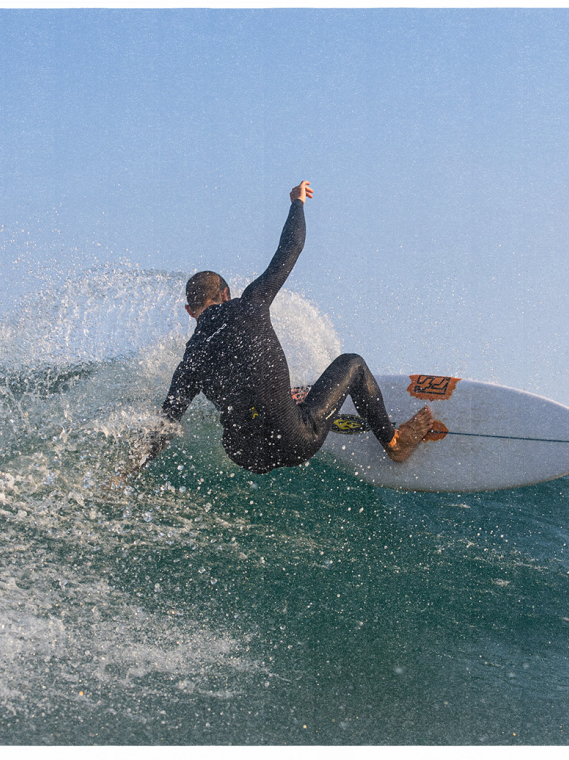
Surfing as movement: the new Bossa UltraFlex
September 18, 2026 | 10 reading min.
The Bossa UltraFlex combines maximum elasticity, comfort and thermal protection so that you enjoy every wave in total freedom.
Shelter Surf shows us how surfing can become a tool for inclusion, well-being, confidence and connection with the ocean.
There’s something about the sea that reminds us that we don’t need to do everything in a rush. The waves come, change, disappear and start over. This constant movement allows each person to find their own rhythm in the water.
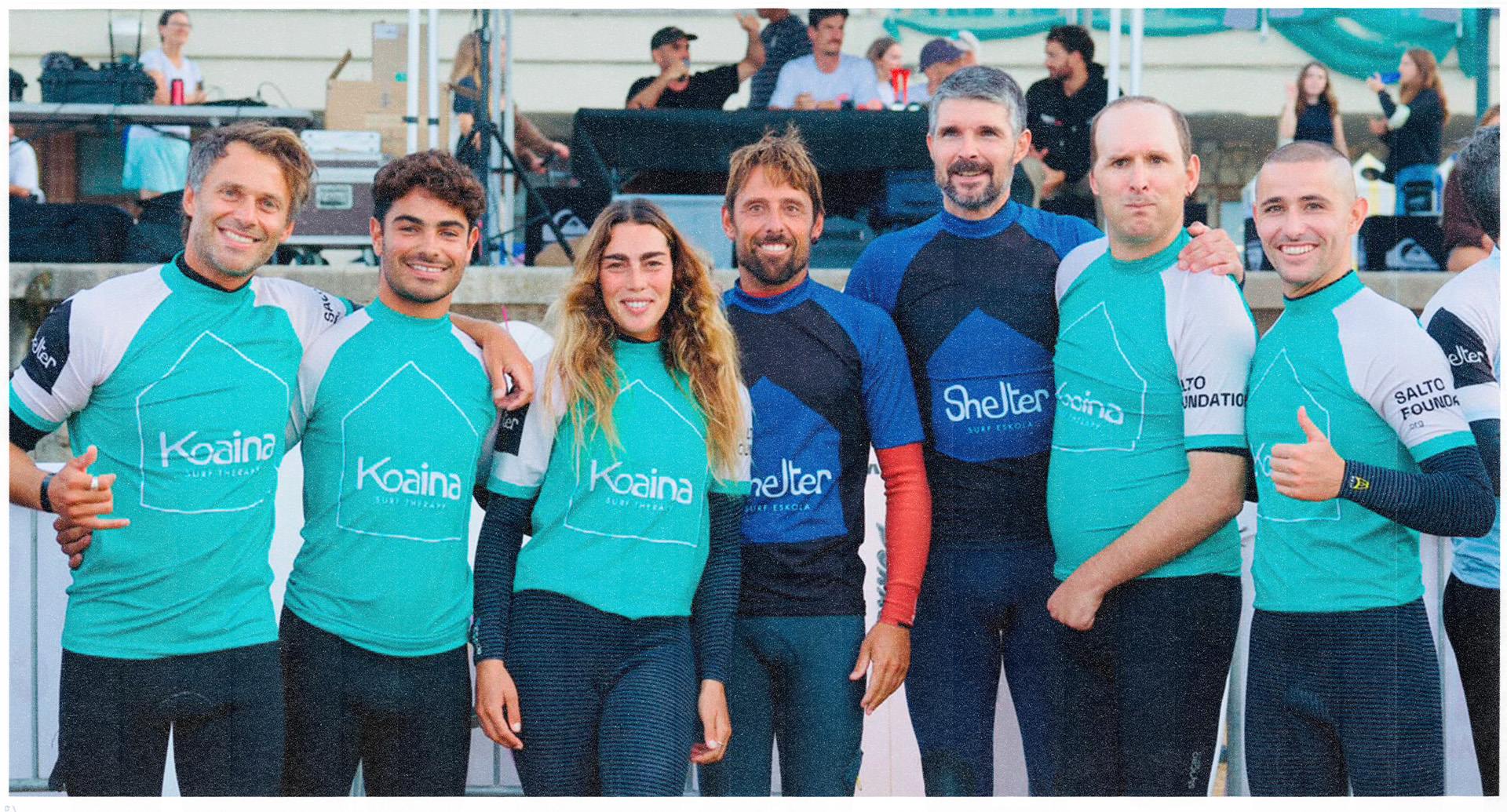
For Shelter Surf, this idea is the focal point for everything they do. The project was founded by people from the surfing world who wanted to convey a way of understanding and a way to enjoy the ocean beyond the sport itself, allowing others to approach the sea and learn from it, connect with the water and discover what it has to offer.
Shelter is structured around three areas: a surf school, a bar and Koaina Surf Therapy, an NGO that uses surfing as a therapeutic tool for social inclusion. The projects are different but share the same philosophy: turn surfing into a meeting point, using a relationship with the ocean to improve people’s lives.
Because surfing isn’t just about learning to stand up on your board.
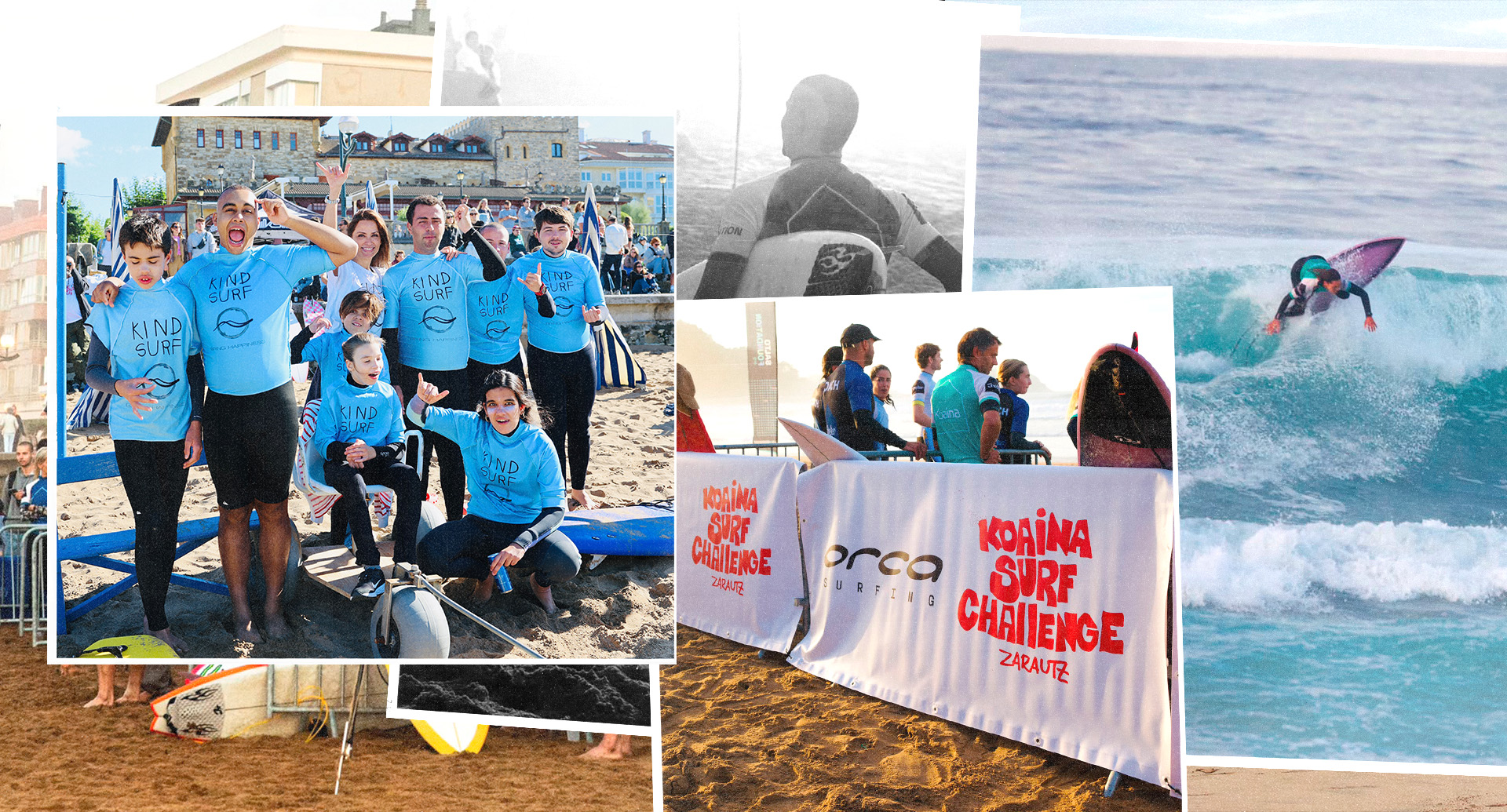
Paddling, keeping your balance, changing position and reacting to the waves’ movements involves working a certain set of muscles, coordination and mobility. For people with reduced mobility, the water can offer a new opportunity to move and experiment with their body in a completely different way.
One of the most transforming moments occurs when we stop thinking of surfing as a sport and we start to understand it more as an experience.
When you’re in the water, your attention shifts. You observe a wave, paddle, wait for the right moment and concentrate on the present moment. You forget about whatever’s bothering you, even if just for a moment. Many participants at Shelter describe the sea as a place of peace where they reconnect. And when the first wave finally arrives, the experience is hard to put into words: it’s a feeling of having achieved something you never thought you’d be able to do.
This feeling can become a powerful tool for developing self-esteem and confidence. Surfing can help a person develop their social autonomy, the ability to adapt and their communication and motor skills. There aren’t two people who evolve in the same way, and this is why every achievement, however small, counts.
For someone who has never surfed, the first step isn’t necessarily catching a wave. It might be approaching the shore, dipping your feet, feeling the water rise around your ankles… familiarising yourself with the area and learning to listen to your body. Then comes the moment you lay your board in the sand and practice paddling and standing up before entering the water.
When the time comes to surf, it’s important to do so accompanied by a professional or someone who has the necessary experience. Learning about the sea conditions, choosing an appropriate starting point for each person and starting with smaller, white waves lying on the board allows beginner surfers to gain confidence progressively. It’s not about overcoming all your fears at once, but about learning to respect the sea and move at your own rhythm.
At Shelter, this philosophy acquires an even deeper meaning once you read Aiala’s story.
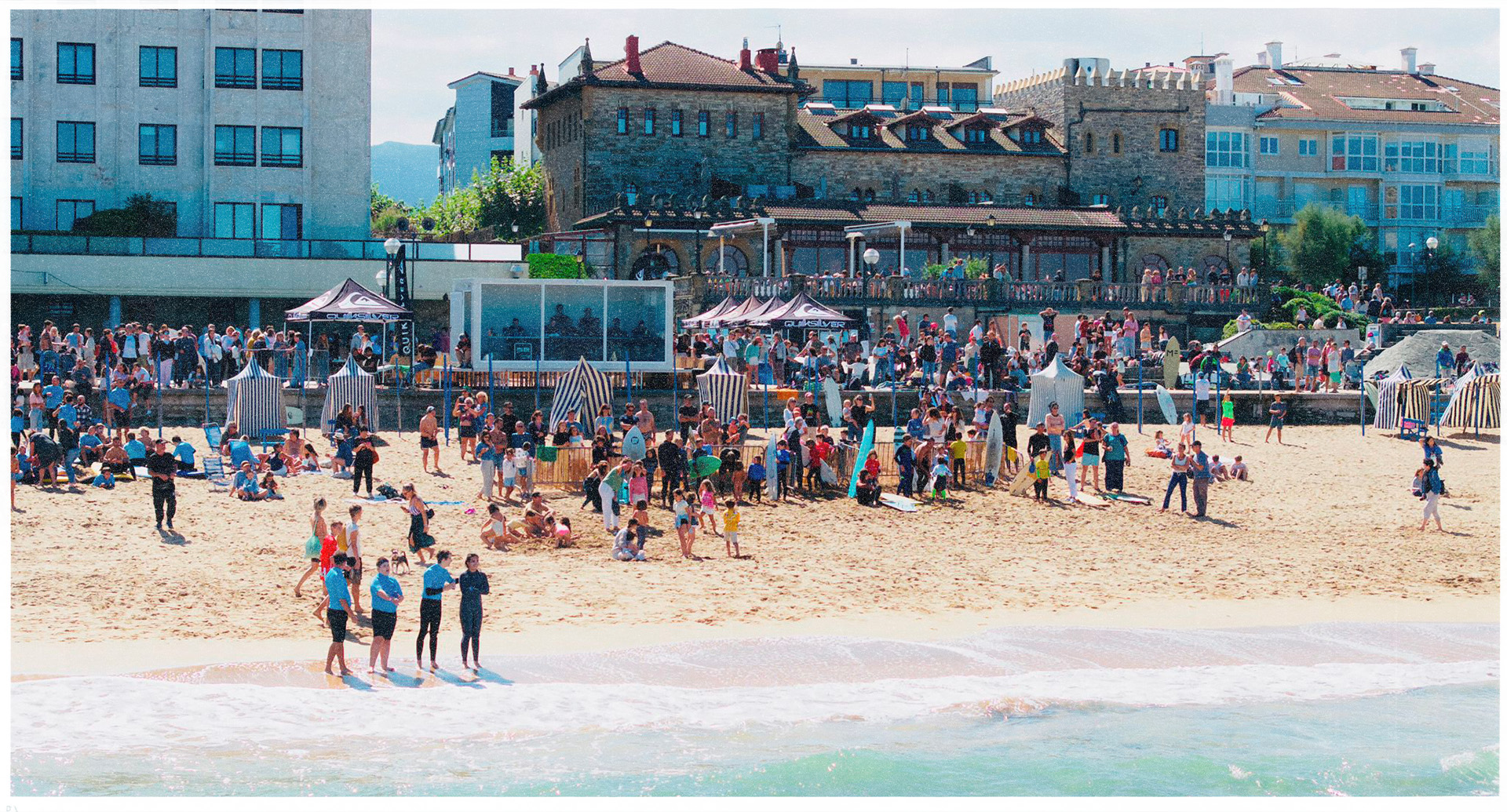
Aiala is a regular at Koaina Surf Therapy. She uses a wheelchair and isn’t able to communicate verbally. One day, her parents tried to find out what she wanted to be when she grew up, asking her questions. Aiala has her own way of expressing yes and no, and when something makes her happy, she doesn’t hesitate to show it.
One day, they asked her: “Do you want to be a surfer?”
Her reaction was to shriek with joy.
Today, Aiala enjoys her weekly surf training at Shelter, catching waves and showing her joy in a way that, according to the people behind the project, is difficult to put into words. Her parents describe how she smiles when she sees the monitors and how she tries to show them that she feels at ease. From her parents’ point of view, Shelter is the place that makes Aiala feel happy.
Her story is an example of what adaptive surfing represents: creating a space in which a person can have fun, express themselves and feel like they belong.
In order for these spaces to exist, the people who accompany each session are incredibly important.
Among them are Rudy Palmboom and Iker Amatriain, two Orca ambassadors who also participate in Shelter as instructors. Their experience as surfers and their technical knowledge of the ocean allow them to plan sessions, anticipate difficulties and teach people to surf safely. But their role goes beyond technique. It also involves helping people to gain confidence, achieve their goals and discover what they're capable of.
This is perhaps one of the reasons why surfing has so much potential as a tool for therapy and inclusion. It doesn’t require everyone to do the same thing or to be on the same level. It allows you to adapt your goal, celebrate your progress and understand that getting better might also mean just daring to enter the water.
Shelter wants to take this philosophy a step further. One of the main goals is for Koaina Surf Therapy to grow to include 100 surfers and to offer 800 hours of therapeutic surfing a year. In the future, the project would like to share its experience with other surf schools in Gipuzkoa, Euskadi and the rest of the country, so that surfing can reach more people as a tool for inclusion and well-being.
The ocean shouldn’t be a space reserved just for those who already know how to surf, who have specific physical capabilities or who have never felt scared in front of a wave.
The ocean can be a place of learning, where you gain confidence, move in a different way, connect with others and discover a skill you didn’t know you had.
The most powerful part of a wave, when it comes, is that you don’t ask yourself who you are or where you’re going. It’s an opportunity to see what happens when you try.

September 18, 2026 | 10 reading min.
The Bossa UltraFlex combines maximum elasticity, comfort and thermal protection so that you enjoy every wave in total freedom.

May 4, 2026 | 10 reading min.
The Zen V2 is Mateusz Malina's trusted companion: less noise, more comfort, and a mental state where everything flows.

November 13, 2025 | 10 reading min.
Rediscover your passion for the ocean through freediving: calm, connection, conscious eating and camaraderie under the sea.