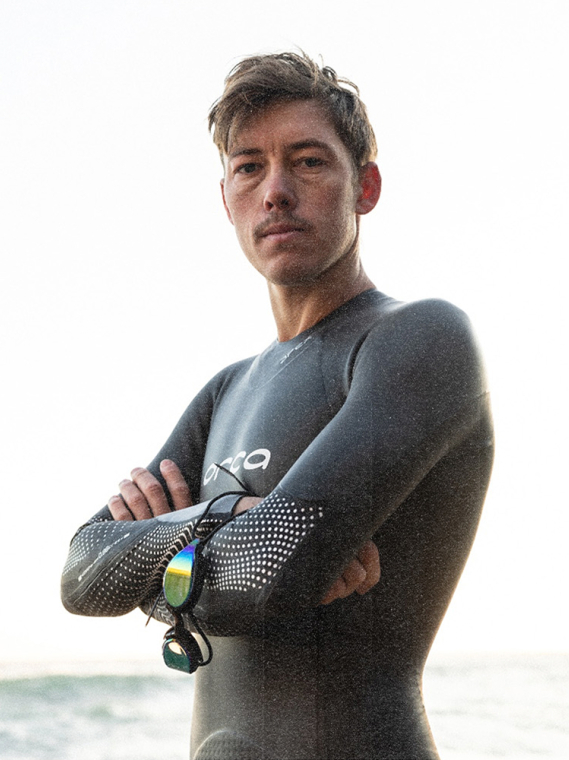
Derron and Wilde, two podiums for Orca in Nice
September 24, 2026 | 10 reading min.
Hayden Wilde is proclaimed 70.3 World Champion and Julie Derron snags second place during a demanding weekend of competition in Nice.
Kona 2026 pushes the limits of performance: podiums and great performances by Orca athletes at triathlon's most iconic event.
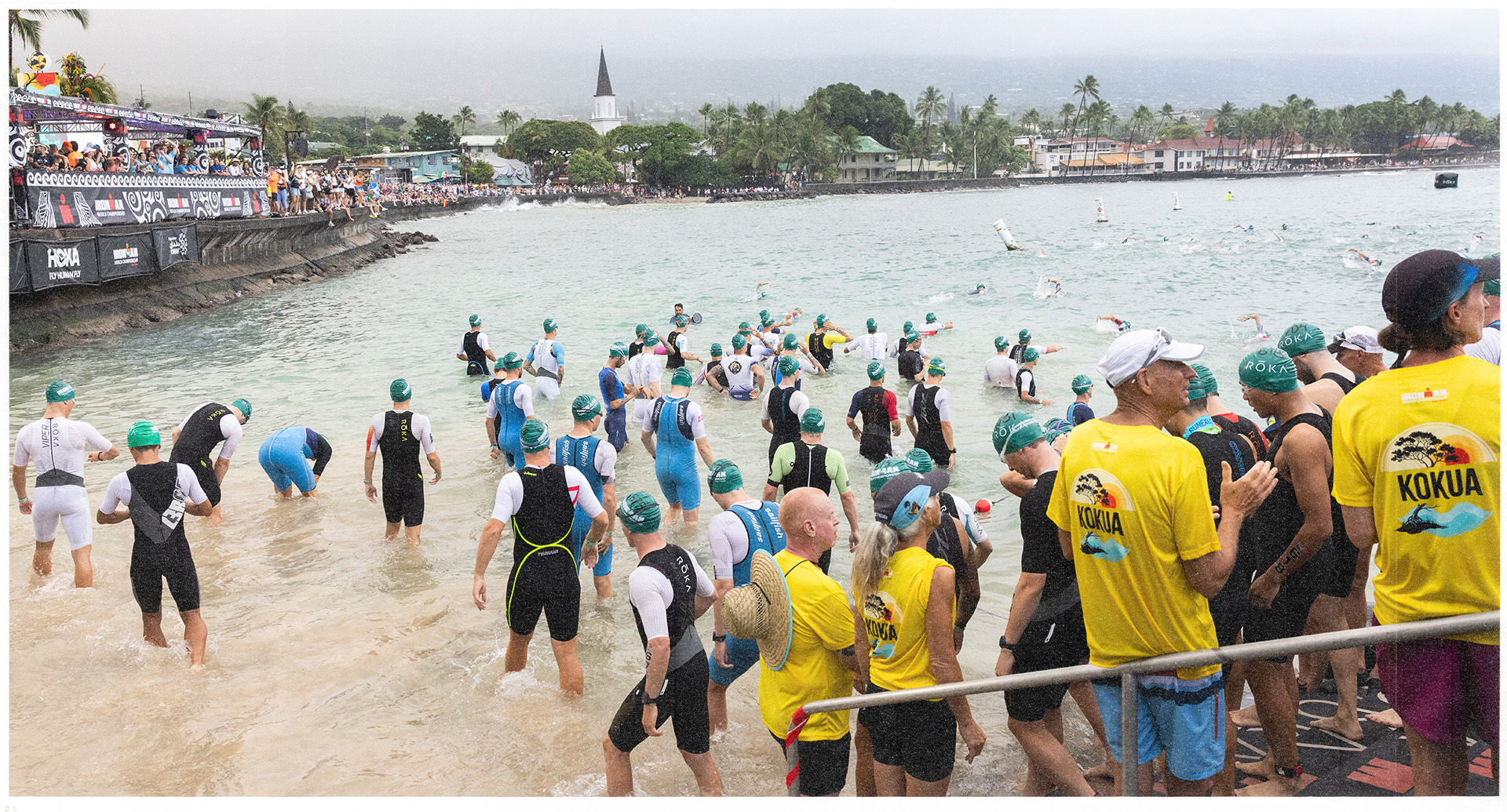
On the west coast of the Big Island, the largest of the Hawaiian Islands, the landscape seems designed to test human limits: the Pacific Ocean, miles of black lava, volcanoes, heat, humidity, and a wind capable of changing race conditions in a matter of minutes. But Kona is much more than just a setting. It is one of the places where long-distance triathlon built its legend on the certainty that here, nothing is decided until the very end.
What makes Kona so special?
It involves a 3.8-kilometer swim, a 180-kilometer bike ride, and a 42.2-kilometer run. However, reducing Kona to mere distances falls short. The heat, humidity, wind, and a seemingly endless course make each segment a uniquely different challenge.
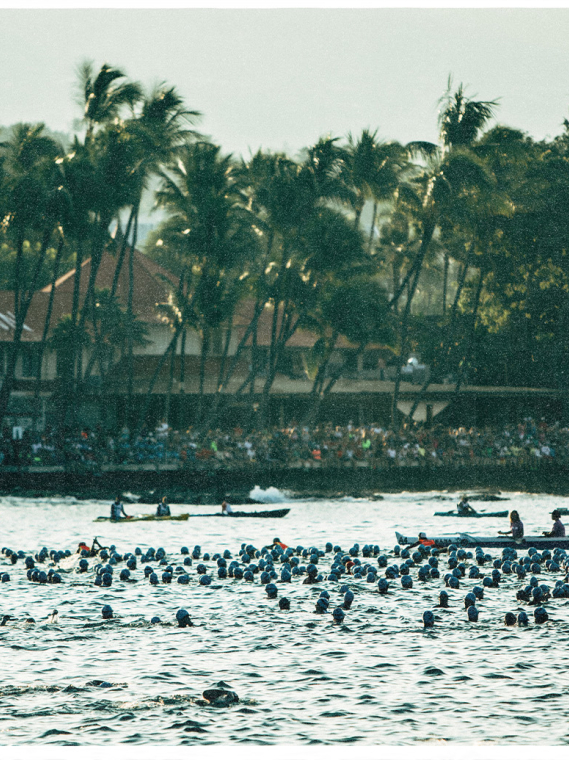
The swim begins in Kailua Bay, with the ocean as the starting point. Next comes the bike, traversing the island's lava fields and facing the notorious Hawi winds. Finally, the marathon leads athletes back toward Kailua-Kona, where the race finishes on Aliʻi Drive.
It is a course that demands managing much more than just pace. Energy, hydration, body temperature, and the ability to maintain focus for hours are just as important as speed.
And in 2026, from the very first kilometers, it was clear that it was going to be a race of survival, strategy, and endurance.
Among the protagonists of this edition were also seven athletes from the Orca team: Julie Derron, Paula Findlay, Antonio Benito, Youri Keulen, Cameron Main, Daisy Davies, and Mikel Ugarte, who arrived on the Big Island with very different goals and experiences.
Why use a swimskin in Kona?
In Kona, the conditions do not allow the use of a conventional wetsuit, which makes every detail of the equipment even more critical right from the first meter.
When the buoyancy and thermal protection of a wetsuit disappear, body position and the ability to reduce drag take on a fundamental role. In this context, a swimskin can become a key performance tool.
Orca’s Apex Swimskin is designed to act as a second skin on the body, reducing the resistance generated by fabric and promoting a more efficient glide through the water. Its construction aims to minimize friction and improve hydrodynamics without providing the buoyancy typical of a wetsuit.
In a race where a few seconds can end up having major consequences after almost eight hours of competition, optimizing every stroke is part of the strategy.
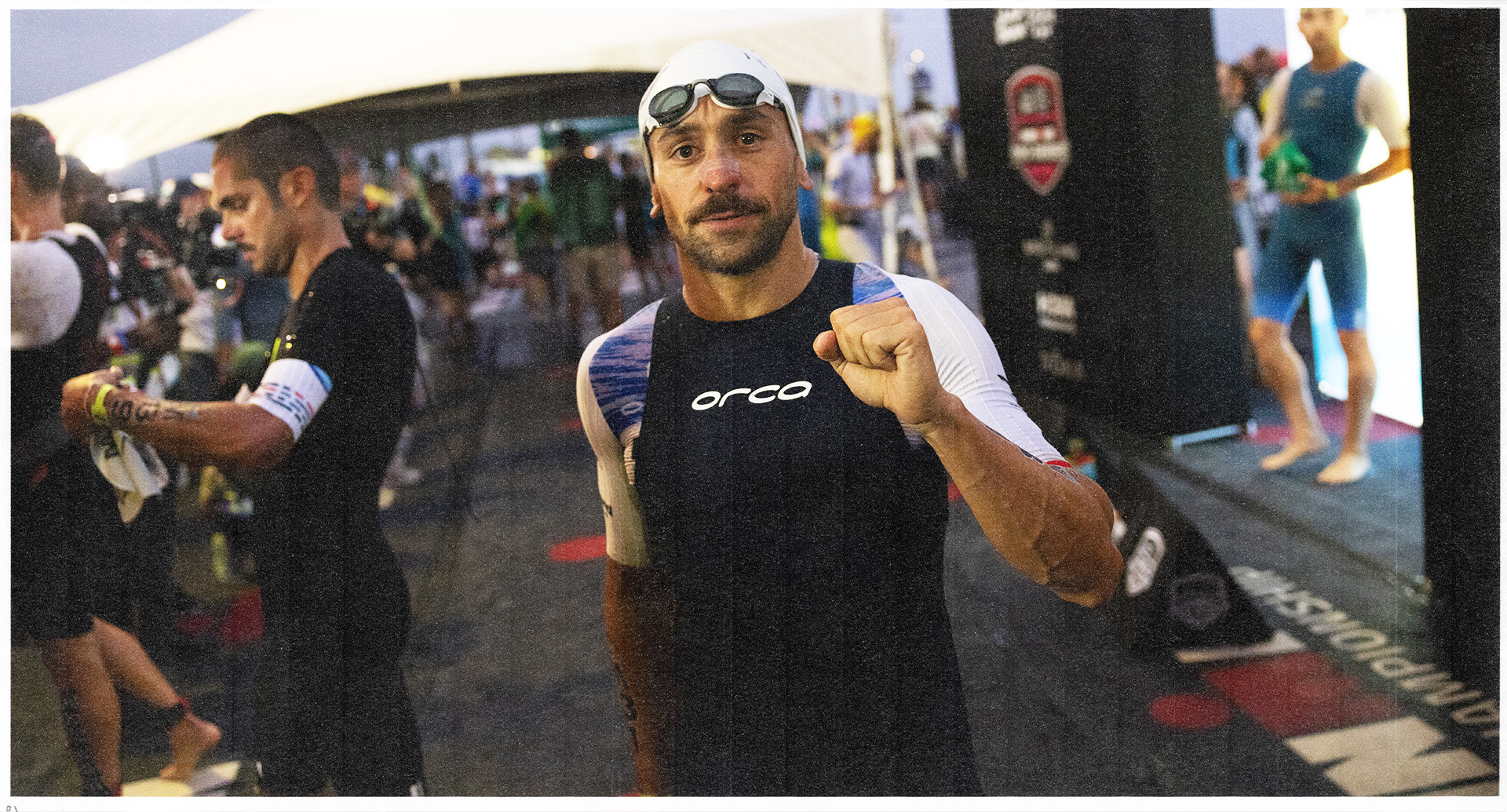
The Men's Race:
The men's race began with Magnus Ditlev taking control and setting the pace for a large part of the day. The Dane managed to open up a lead of more than four minutes over his pursuers and entered the marathon in a privileged position. However, there were still 42.2 kilometers ahead, and in Kona, it is precisely in that last segment where many races begin to shift.
Among the athletes who kept closing the gap was Vincent Luis. The Frenchman was contesting the World Championship for the first time after years of competing at the highest level in triathlon, and he arrived on the Big Island with enough experience to know that the race was still far from decided. While Ditlev began to lose pace as the kilometers went by, Luis gradually chipped away at the difference until he caught him around kilometer 34 of the marathon.
From there, the race opened up again. Gustav Iden, the 2022 World Champion, appeared in the final kilometers to put pressure on the Frenchman, but Luis managed to hold his pace until he crossed the finish line on Aliʻi Drive in 7:47:27. In his Kona debut and his final race as a professional, he was crowned World Champion; with Iden in second place at 7:49:03, and Matthew Marquardt completing the podium with 7:49:59.
Among the Orca athletes, Youri Keulen once again demonstrated his ability to compete at the highest level in long-distance racing. The Dutchman finished ninth with a time of 7:58:26, after completing the 3.8-kilometer swim in 48:32, the 180-kilometer bike in 4:22:30, and the marathon in 2:42:05. A result that once again places him among the best specialists in the world.
Mikel Ugarte also delivered a standout performance in his first World Championship. The Spaniard stayed among the top contenders throughout the day and finished in a remarkable 13th position with a time of 8:04:04. After completing the swim in 50:41 and the 180-kilometer bike in 4:22:31, he closed the event with a 2:45:30 marathon, finishing less than a minute away from the top 10.
Cameron Main also had a notable performance in Kona. The British athlete finished 26th with a time of 8:27:22, in a day that allowed him to test himself for the first time against the demanding Big Island course.
Antonio Benito also took on the Big Island once again. The Spaniard completed the swim in 48:27 and the bike in 4:20:05 before facing a 3:37:34 marathon and crossing the finish line in 8:51:18. Beyond the result, Kona once again highlights the difficulty of managing a race where environmental conditions, pacing, and strategy carry as much weight as physical ability itself.
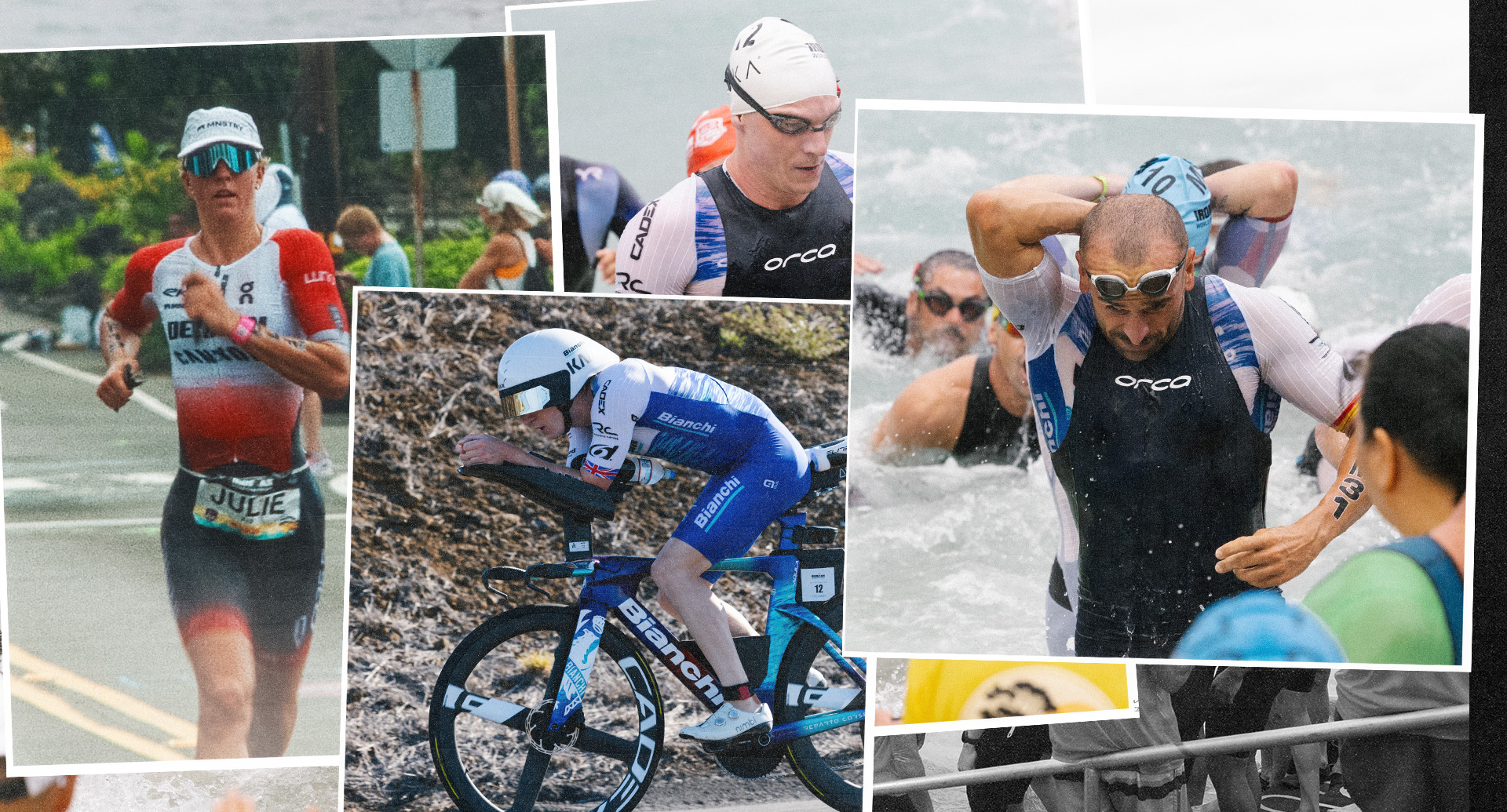
The Women's Race:
In the women's race, Taylor Knibb reached the marathon in a solid position after a day in which she had once again demonstrated one of her main strengths: her ability to make a difference on the bike. However, there were still 42.2 kilometers left, and the race was far from decided.
Knibb had arrived in Kona with unfinished business. In her previous appearance at the World Championship, she was unable to complete the race as expected, and this time she returned to the Big Island with the opportunity to prove once again why she is one of the great benchmarks in long-distance triathlon.
For a large part of the marathon, she managed to maintain control, but Solveig Løvseth progressively reduced the gap until she took the lead in the final kilometers. The Norwegian seemed to have the title within her grasp, but her body gave out just over a kilometer from the finish line, where Taylor Knibb reclaimed the lead and held onto it until crossing Aliʻi Drive.
Knibb became the World Champion with a time of 8:36:29, while Laura Philipp finished second and Julie Derron completed the podium in third place with 8:46:25.
For Derron, this result holds special meaning. It was her first appearance at the World Championship, and she arrived in Kona after also securing second place at the 70.3 World Championship in Nice. Two world podiums in the same season and across two different distances reflect her ability to adapt to different race scenarios and maintain top-level performance.
Alongside her, Paula Findlay was also facing her first Kona experience. The Canadian finished in eighteenth position with a time of 9:20:01, after completing the swim in 55:02, the bike in 4:43:41, and the marathon in 3:36:00.
Her participation also serves as a reminder that Kona is not just about speed. The heat, humidity, wind, and the duration of the event make effort management a fundamental part of the competition, especially when the conditions begin to take their toll after several hours.
For Daisy Davies, her first experience on the Big Island was far from unfolding as she had hoped. The British athlete started the day well, exiting the water in the chase group, but her sensations changed once the bike leg began. An illness during race week compromised her performance and prevented her from showcasing the fitness level she had brought to Kona.
What does Kona teach us about performance?
Perhaps the biggest lesson of this edition is that long-distance performance is not solely about being fast. It is about knowing how to manage.
Managing effort in the water. Choosing when to push on the bike and when to conserve energy. Holding the aero position when the body begs for something else. Fueling and hydrating before feeling the need to do so. And above all, reaching the marathon with enough energy to compete when the race truly begins to be decided.
In Kona, the final kilometers are not just the final kilometers. They are the consequence of everything you have done over the preceding hours.
That is why equipment must also respond to that strategy. A swimskin like the Apex can help optimize the swim phase; properly chosen aerodynamic gear reduces the energy cost on the bike; and correct temperature and hydration management can make the difference when it's time to run.
In a race of nearly eight hours, it’s not about finding one massive advantage. It’s about accumulating small margins throughout the entire race.
Kona proves once again that everything can change in the last kilometer:
Julie Derron turned her debut into a world podium. Youri Keulen finished in the top ten. Mikel Ugarte debuted with a thirteenth-place finish. Cameron Main completed his first Kona. Paula Findlay discovered for the first time what it means to face the Big Island. Antonio Benito once again measured himself against one of the most demanding courses in the world. Daisy Davies closed her Big Island experience with the motivation to race again and prove her fitness.
Seven athletes. Seven different stories. One same island. And one same lesson: in Kona, as long as there is a kilometer, an opportunity, a stroke, or a step left to take, the race is not over yet.

September 24, 2026 | 10 reading min.
Hayden Wilde is proclaimed 70.3 World Champion and Julie Derron snags second place during a demanding weekend of competition in Nice.
October 27, 2025 | 7 reading min.
Kona put everyone to the test once again, with its heat, wind and strength. It reminds us that on the island, nothing is sure until the very end.

January 12, 2022
There is no comparison to the life-changing event that is parenthood, and when the experience is applied to the life of a professional athlete, differ...